

Front-desk checks, privacy and public spaces
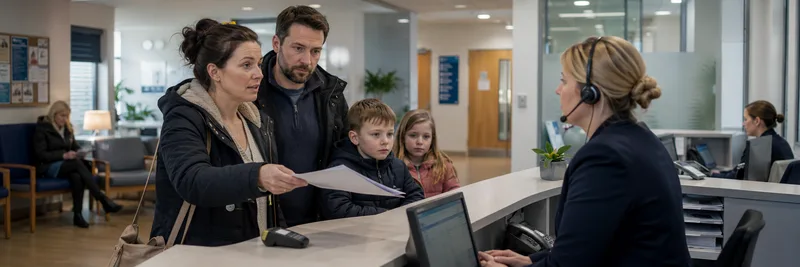
The front desk may feel low risk because the person is present, but it can be harder to protect confidentiality. Other patients can overhear names, dates of birth, addresses, symptoms, appointment types or results.
Check identity without broadcasting information
Ask only for the details needed and be aware of who can hear you. If the request is sensitive, offer a more private route. Do not read confidential details across a waiting room. If the person brings documents or ID, handle them discreetly and return them promptly.
Being physically present does not prove identity. Someone at the desk may be collecting items for another person, asking about a family member, changing details, or trying to access records. Follow the practice process for the task rather than assuming presence makes the request safe.
High-risk front-desk situations
- Someone tries to overhear or answer for the patient.
- The patient asks not to be contacted at home.
- A person wants another patient's result, letter or appointment time.
- A patient looks uncomfortable when asked identity questions in public.
- A caller at the desk requests changes to address, phone or proxy access.
Identity checks should protect confidentiality, not accidentally disclose it in the waiting room.
Ask Dr. Aiden
Rate this page
Sign up now for a free account
Course tools & details

