

Why identity checks matter in GP first contact
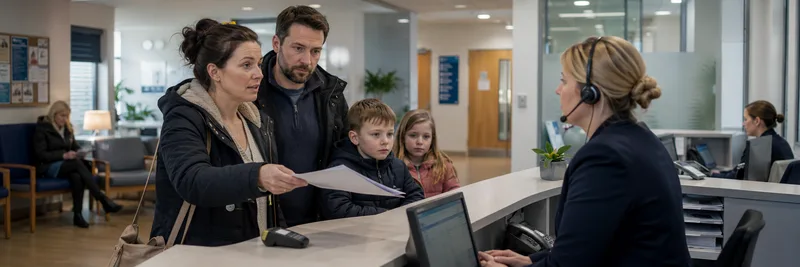
A short reception contact can involve sensitive information such as appointments, medicines and test results, safeguarding notes, address details, online access, complaints or urgent symptoms. Identity checks reduce the chance of attaching the wrong person to a record or disclosing information to someone who should not receive it.
More than a formality
Patients may find checks repetitive, and staff can be tempted to skip them when a caller sounds familiar or the queue is long. Familiarity increases risk where patients share names or addresses, family members use the same phone, or a caller knows enough personal details to appear convincing.
Checks should be proportionate to the task. Booking a routine appointment may require minimal verification, while giving test results, changing contact details, setting up proxy access or discussing mental health appointments requires stronger confirmation of identity and authority.
What identity checks protect
- Confidentiality: information is not shared with the wrong person.
- Accuracy: notes, tasks and appointments are added to the correct patient record.
- Safety: urgent or sensitive requests are not missed because details are incorrect.
- Fairness: all callers are handled according to practice process rather than personal familiarity.
- Trust: patients can see that the practice protects their information.
Identifying Patients Correctly
A patient being familiar to the practice does not remove the need for proportionate identity checks.
Ask Dr. Aiden
Rate this page
Sign up now for a free account
Course tools & details

