
Verifying Patient Identity Safely for GP Receptionists and Care Navigators

Proportionate checks before sharing information, changing details or routing requests

  • Reputation

    No token earned yet.

    Reach 50 points to earn the Peridot (Trainee Level).

  • CPD Certificates

    Certificates

    You have CPD Certificates for 0 courses.

  • Exam Cup

    No cup earned yet.

    Average at least 80% in exams to earn the Bronze Cup.

Launch offer: Certificates are currently free when you create a free account and log in. Log in for free access

Recording identity checks and learning from near misses
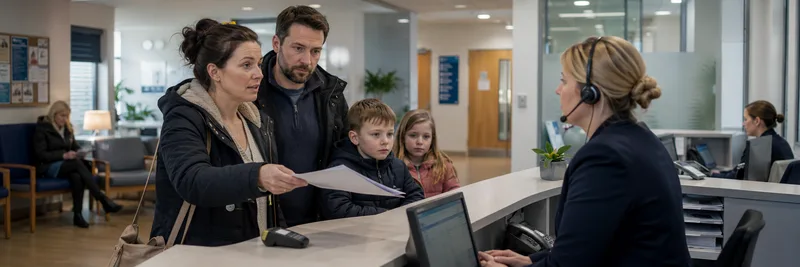
GP receptionist at desk checking family documents

Clear records make the next contact safer. They show what was requested, which checks were completed, what could not be confirmed and who is responsible for the next action.

What to record

Not every routine identity check needs a long note, but important or unusual contacts should be recorded. Include failed checks, requests to change contact details, third-party disclosure requests, safe-contact concerns, possible wrong-record risks and any decision to escalate.

Keep records factual and proportionate. Avoid judgemental labels such as "suspicious caller" unless supported by facts. Describe what you observed: "caller requested result but could not confirm local identity checks; advised patient to contact practice directly; no information disclosed."

Learning from problems

  • Wrong patient selected: review search habits and identifiers.
  • Information disclosed to the wrong person: report under the local incident process.
  • Repeated failed checks: consider whether contact details need review.
  • Unsafe voicemail or SMS: review safe-contact notes and messaging templates.
  • Duplicate records: escalate through the record integrity process.

Why Documentation Matters – Catherine Gaulton

Video: 3m 37s · Creator: HIROC. YouTube Standard Licence.

This HIROC video features Catherine Gaulton explaining why clear healthcare documentation matters. Drawing on her experience as a nurse and a lawyer, she says documentation should make it clear what happened and what the next person needs to know to continue care safely.

The video notes that good records also support quality review and can have legal value, but the primary purpose is communication for care. If a record is clear enough for the next colleague to understand what happened and what matters for the patient, it is likely to be sufficient for legal purposes too.

Her practical advice is to tell the patient's story briefly. Records should not become long narratives; they should capture what was happening, what mattered and what was done to address it.

Was this video a good fit for this page?

Scenario

You realise you nearly opened the wrong record because two patients have the same name and similar dates of birth.

What should happen next?


Identity-check records should help the next staff member understand the request, the check and the safest next step.

Ask Dr. Aiden


Rate this page


Course tools & details Study tools, course details, quality and recommendations
Funding & COI Media Credits
