

Moves between placements, school change and continuity
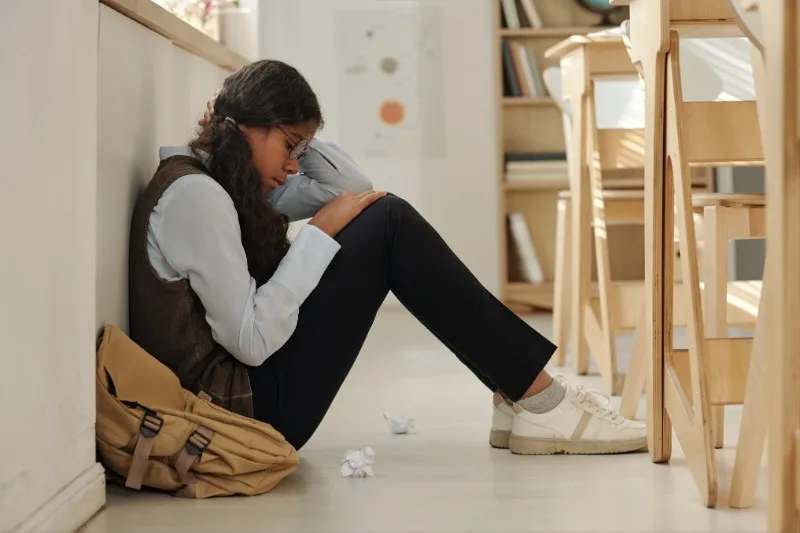
A placement move changes more than an address. School attendance and transport, family contact, friendships, health appointments and medication, daily routines that support identity, local safety knowledge and a child's coping strategies can all be disrupted. Children are safer when homes plan beyond the move date and protect the practical details that keep daily life working.
Continuity depends on an effective handover. The incoming team needs to know what helps the child settle, what increases risk, what tasks or appointments are due, who matters to the child and what the previous placement found most helpful. If that information is lost, the child may have to start from zero.
What continuity work should protect
- Education: school place, timetable, transport and known attendance barriers.
- Health: medication, appointments, allergies, current symptoms and specialist plans.
- Relationships: family time, siblings, key staff and trusted professionals.
- Routines: sleep, food, sensory needs, preferred strategies and triggers.
- The child's own view: what they want the next team to understand and what they do not want lost.
- Belongings and identity: personal items and familiar objects should not be treated casually.
A good move keeps the child from having to re-teach the whole system how to care for them.
Ask Dr. Aiden
Rate this page
Sign up now for a free account
Course tools & details

