

Planning admissions and transitions well
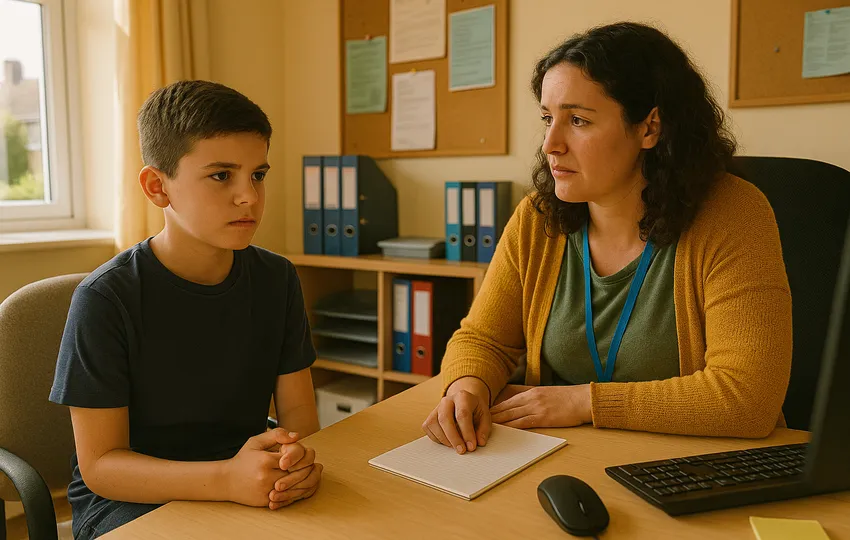
Good admissions and transitions rely on usable information. The home needs clear facts about who the child is, immediate safety risks, known triggers, how the child communicates, contact arrangements, current education, health needs and any imminent commitments. Missing or vague details make the first days harder for the child and the staff team.
Planning also covers the environment and the first contacts. Who will greet the child? What space is ready? What will be explained first and what can wait? Which belongings are arriving? How will other children be prepared? Careful planning reduces avoidable shock and confusion.
Where it is safe and possible, the child's voice should shape the plan. Staff should know what the child has been told, what questions or worries they have raised, whether they need communication support or advocacy, and who will check in with them after arrival.
VOYPIC Sophie and Abi talk about placements for children in care
What should be clear before or at admission
- Current risks: safeguarding, self-harm, missing, substance, exploitation or relationship risks.
- Daily needs: sleep, food, routines, sensory issues, medication and health information.
- Important relationships: family time, siblings and key professionals.
- Communication style: what helps and what overwhelms the child.
- Child's views: what they understand, what they are worried about and whether they need advocacy or communication support.
- Practical arrangements: education, transport, belongings, appointments and first-night planning.
Better admission planning usually means fewer avoidable surprises in the first 24 hours.
Ask Dr. Aiden
Rate this page
Sign up now for a free account
Course tools & details

