

The first days in the home: settling, safety and information
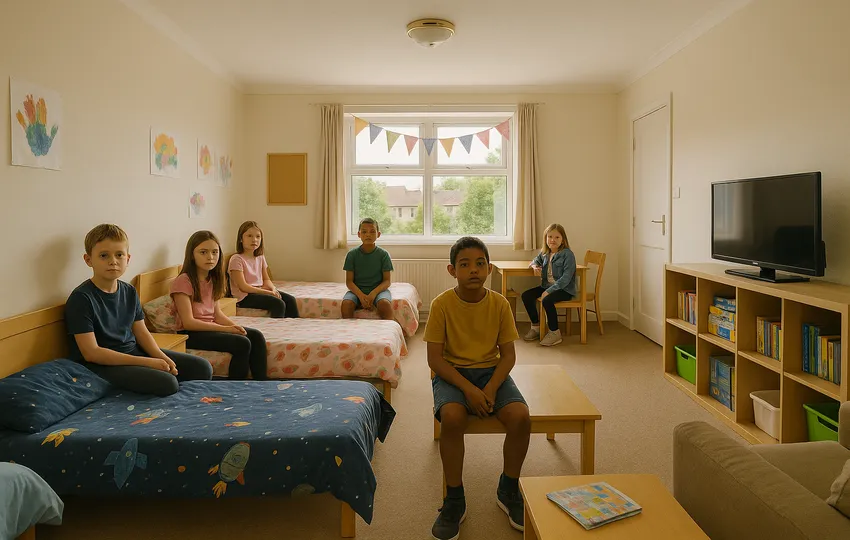
The first days in a home are not the time to give a child every rule, expectation or form to complete. Children need clear orientation, predictable routines, reassurance and to know who is caring for them. Plan what the child needs immediately, what can wait, and how to reduce avoidable stress while they settle.
Practical steps include explaining the living space simply, making sure essentials are available, naming the adults on shift, protecting sleep, checking food and hygiene needs, considering privacy and giving information at a pace the child can manage. Early care should aim to make the environment calmer, not fuller.
Staff should check what the child understands about the move and make it easy for them to ask questions, contact their social worker, access advocacy or complaints routes, and report if something does not feel right. Introduce these options gently rather than as another batch of paperwork.
Growing Up In The Care System - Rosie's Story
What helps children settle more safely
- Start with essentials: safety, orientation, food, rest and immediate reassurance come first.
- Pace information: too much detail too quickly can increase overwhelm.
- Keep routines visible: children cope better when they know what happens next.
- Protect dignity: belongings, privacy and personal care matter from the start.
- Notice the child's response: shutting down and arguing can both be part of arrival stress.
Children settle more safely when adults prioritise connection and clarity over information overload.
Ask Dr. Aiden
Rate this page
Sign up now for a free account
Course tools & details

