

What admissions, transitions, moves and endings mean
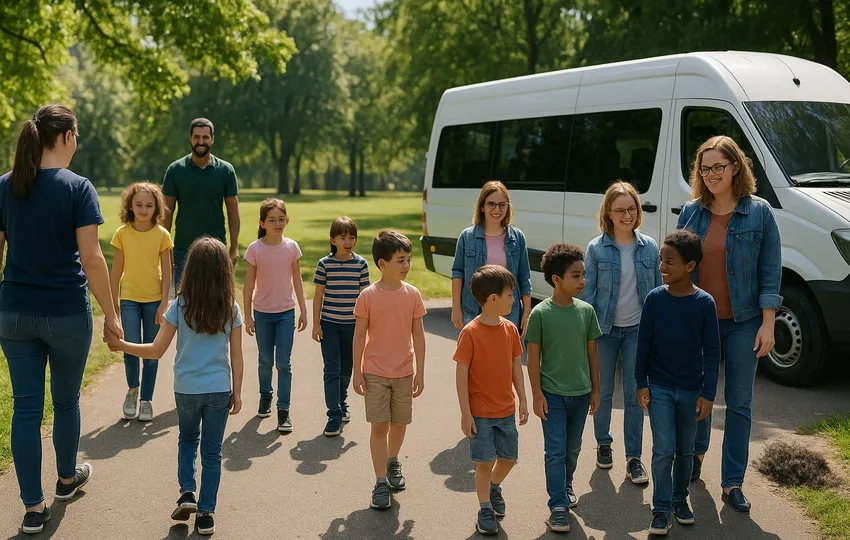
In children's homes, transitions cover admissions into the home, moves between rooms or homes, school changes, reunification, emergency placements, moves to independent living and the endings that follow. Each transition can alter a child's sense of safety, identity, relationships, behaviour and trust in adults.
Endings can matter as much as beginnings. A child may leave because the placement has met its aims, plans have changed, relationships have broken down or adulthood is approaching. How adults manage the ending can help the child carry the experience safely or add another abrupt loss.
What staff need to recognise
- Transitions are emotional as well as practical: children often react to what the move means for them, not only the physical change.
- Rushed processes increase risk: uncertainty and missing information create avoidable instability.
- Continuity protects children: consistent routines, familiar belongings and clear handover information reduce overwhelm.
- Endings should be planned early: planning should begin before a move becomes imminent.
- Good culture matters: stable services do not treat repeated abrupt change as normal.
England's children's homes guidance and inspection framework emphasise effective planning for moves into and out of homes. Practically, that means residential staff should treat transitions as part of everyday care rather than something organised entirely elsewhere.
A move is not only a transport event. It is a change in how safe, known and connected the child may feel.
Ask Dr. Aiden
Rate this page
Sign up now for a free account
Course tools & details

