
Caldicott Principles and Patient Information for GP Receptionists and Care Navigators

Practical information-sharing judgement for GP reception and admin teams

  • Reputation

    No token earned yet.

    Reach 50 points to earn the Peridot (Trainee Level).

  • CPD Certificates

    Certificates

    You have CPD Certificates for 0 courses.

  • Exam Cup

    No cup earned yet.

    Average at least 80% in exams to earn the Bronze Cup.

Launch offer: Certificates are currently free when you create a free account and log in. Log in for free access

Need-to-know and role-based access
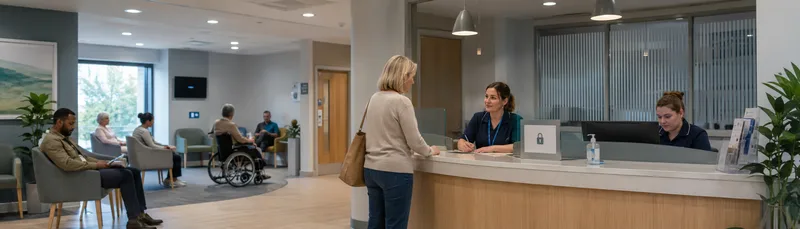
GP practice reception area with staff assisting patients

Need-to-know means patient information should only be accessed by staff who need it to carry out a work task. Employment or technical ability to open a record is not a sufficient reason.

Reception and admin staff often require access to records, but each access should have a clear purpose. Opening a record to book an appointment, process correspondence or confirm authority is appropriate; browsing because you recognise the patient is not.

Common risk points

  • Familiar patients: neighbours, relatives, colleagues or well-known community members.
  • High-profile incidents: curiosity after an accident, death or police attendance.
  • Shared logins: using another person's account or leaving a system open.
  • Overheard conversations: discussing cases where other staff do not need to know.

Audit trails matter

Clinical systems usually record who accessed a record and when. Audit trails support the professional expectation that staff can justify their access.

Access should always match a work purpose; curiosity is never a valid reason to open a patient record.

Keeping patient information confidential with electronic patient records

Video: 1m 48s · Creator: nhscfh. YouTube Standard Licence.

This NHS Connecting for Health video features Marlene Winfield, ex-national patient lead, explaining confidentiality safeguards for electronic patient records. She contrasts paper records, which can be viewed with little visibility, with electronic systems that can enforce stronger identity and access controls.

The video describes safeguards such as smartcards, identity checks and sponsorship before access is granted, and role-based access that limits what staff can see to what they need for their job. It gives the example that someone who books appointments should not automatically see the whole record.

It also covers checking whether a user is involved in the patient's care, recording an audit trail of access and entries, and raising alerts when someone attempts actions beyond their access rights. The message is that electronic records protect confidentiality when access is restricted, monitored and based on need to know.

Was this video a good fit for this page?

Scenario

A colleague says, "Did you see what happened to that teacher from the local school? Open the record and tell me."

What should you do?


Ask Dr. Aiden


Rate this page


Course tools & details Study tools, course details, quality and recommendations
Funding & COI Media Credits
