
Caldicott Principles and Patient Information for GP Receptionists and Care Navigators

Practical information-sharing judgement for GP reception and admin teams

  • Reputation

    No token earned yet.

    Reach 50 points to earn the Peridot (Trainee Level).

  • CPD Certificates

    Certificates

    You have CPD Certificates for 0 courses.

  • Exam Cup

    No cup earned yet.

    Average at least 80% in exams to earn the Bronze Cup.

Launch offer: Certificates are currently free when you create a free account and log in. Log in for free access

The eight principles in plain English
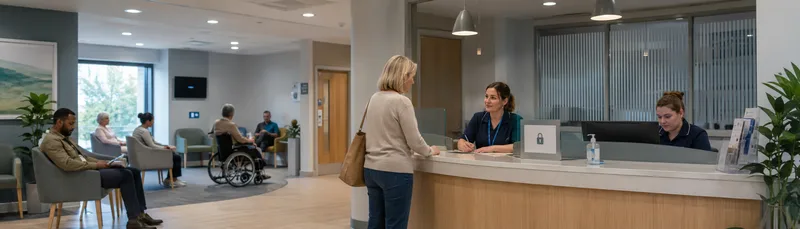
GP practice reception area with staff assisting patients

The Caldicott Principles guide staff in deciding whether patient information should be used or shared: is there a valid reason, is the amount appropriate, are the right people involved, and would the patient expect this?

A reception-friendly summary

  • Justify the purpose: be clear why information is needed or shared.
  • Use it only when necessary: avoid using identifiable information if non-identifying details will do.
  • Use the minimum necessary: provide only the information required for the task.
  • Limit access: only staff who need the information for their role should see it.
  • Know your responsibilities: follow your training, practice policy and local procedures.
  • Comply with the law: data protection and confidentiality rules apply.
  • Share when care requires it: sharing for individual care or safety can be as important as protecting confidentiality.
  • Inform expectations: consider what patients would reasonably expect about how their information is used.

Protect and share

Caldicott does not mean keeping everything secret. Safe care often depends on sharing information with the right clinician, service, safeguarding lead or administrator. The test is whether the sharing is necessary, proportionate and routed correctly.

The principles balance confidentiality with the need to share information for care and safety.

Data protection explained in three minutes

Video: 2m 54s · Creator: Information Commissioner's Office (ICO). YouTube Standard Licence.

This Information Commissioner's Office video explains data protection for small organisations. The presenter, Harry from the ICO's business advice services team, says most organisations collect personal data about people they deal with, such as customers, suppliers or employees.

The video sets out the basic duty: use personal data reasonably and protect it. It gives examples such as collecting a name and address to send a product, or an email address for service updates. It explains that misuse of personal data can cause harm such as identity theft, discrimination or physical harm.

The video also describes benefits of compliance: building trust, protecting reputation, reducing storage costs and handling requests more effectively. It notes there is no single template for compliance and points viewers to the ICO's data protection hub and helpline for guidance.

Was this video a good fit for this page?

Scenario

A caller reports that their elderly mother is confused and not taking medicines safely. They are not authorised to receive information about her care.

How do the principles help?


Ask Dr. Aiden


Rate this page


Course tools & details Study tools, course details, quality and recommendations
Funding & COI Media Credits
