
Caldicott Principles and Patient Information for GP Receptionists and Care Navigators

Practical information-sharing judgement for GP reception and admin teams

  • Reputation

    No token earned yet.

    Reach 50 points to earn the Peridot (Trainee Level).

  • CPD Certificates

    Certificates

    You have CPD Certificates for 0 courses.

  • Exam Cup

    No cup earned yet.

    Average at least 80% in exams to earn the Bronze Cup.

Launch offer: Certificates are currently free when you create a free account and log in. Log in for free access

What Caldicott means in general practice
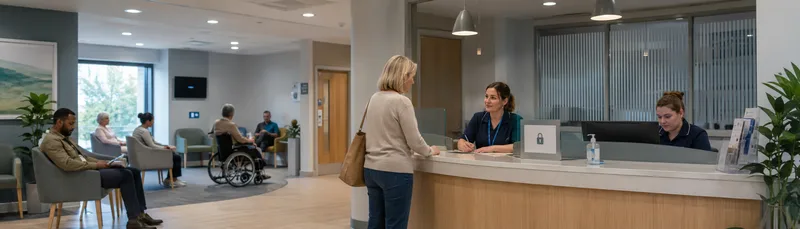
GP practice reception area with staff assisting patients

The Caldicott Principles provide practical rules for deciding when confidential patient information should be used or shared. They apply to everyday reception work as much as to managers and clinicians.

In a GP practice, patient information moves constantly: appointment requests, prescription messages, test-result queries, online forms, letters, home-visit requests, third-party calls, safeguarding notes and call-back lists. Each contact involves a small information-governance decision about what to access or share.

The practical question

Before using or sharing information, pause and ask: why is this needed, who needs it, how much is sufficient, and could sharing it cause harm or breach trust?

Reception staff are not expected to resolve complex legal issues alone. The sensible approach is to recognise routine tasks you can handle and escalate queries about uncertain requests to a supervisor, clinician or information governance lead.

Everyday examples

  • Booking: collect just enough information to direct the request; avoid discussing clinical details aloud at the desk.
  • Results: confirm identity and authority before saying whether a result has arrived or what it contains.
  • Messages: check wording and recipient before sending SMS, email or online replies.
  • Third parties: hear useful information but do not disclose confidential details unless authorised.

Caldicott thinking means using patient information for a clear purpose, not because it is visible on the system.

GP Caldicott Guardians and the national data opt-out

Video: 2m 58s · Creator: Royal College of General Practitioners. YouTube Standard Licence.

This Royal College of General Practitioners video describes the GP Caldicott Guardian role and how it relates to patient data choices. It explains that the Guardian helps ensure personal information is used legally, ethically and appropriately, and that confidentiality is maintained. The Guardian is a contact for practice staff with questions about information use or sharing and should be involved in developing practice processes for handling such queries.

The video also explains the national data opt-out, which allows patients to opt out of their confidential information being used for some research and planning. It says Caldicott Guardians should advise on whether a data flow is in scope and use guidance from NHS Digital, RCGP and the UK Caldicott Guardian Council.

Was this video a good fit for this page?

Scenario

A receptionist sees a neighbour's hospital letter in the document workflow and is tempted to open it because they are worried.

What should Caldicott thinking mean here?


Ask Dr. Aiden


Rate this page


Course tools & details Study tools, course details, quality and recommendations
Funding & COI Media Credits
