

Grooming, control and why children may seem involved
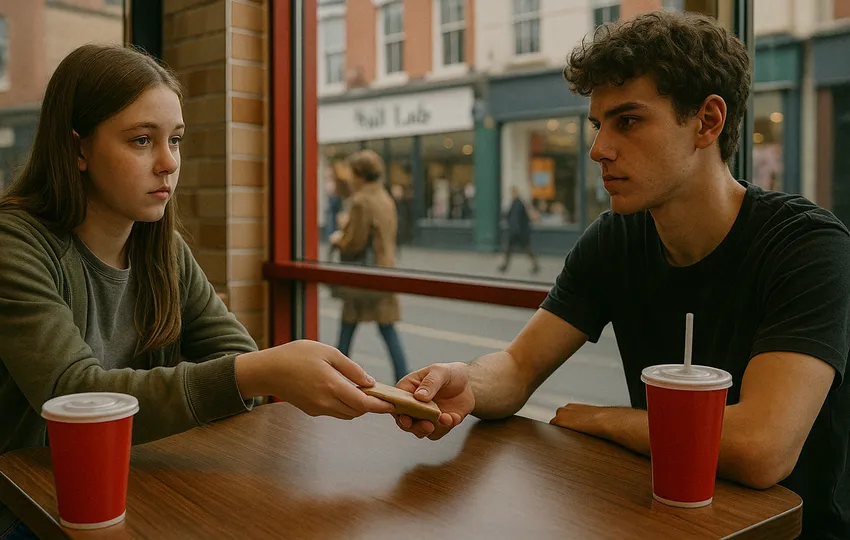
Exploitation often begins with something that feels positive to the child: friendship, money, lifts, protection, status, attention, food, clothing, drugs, alcohol or a sense of belonging. That initial offer of support may be followed by tightening control through debt, threats, violence, sexual violence, humiliation, image-based abuse, threats to family members or peer pressure.
For these reasons exploited children may deny risk, defend the exploiter, return to the same person, hide phones, reject support or become angry with staff. Such behaviours often reflect fear, loyalty, trauma, shame or survival strategies, not evidence that the child is safe.
Residential staff should be alert when a child has a history of abuse, neglect, disrupted education, exclusion, social isolation, homelessness, insecure immigration status, mental health difficulties, substance use, neurodivergence, learning disability, out-of-area placement, leaving-care stress or previous contact with the criminal justice system. These factors do not cause exploitation, but they create power imbalances that exploiters can exploit.
Stages of Child Criminal Exploitation
Common control tactics
- Gifts and status: giving clothes, food, money, lifts or attention.
- Debt: claiming the child owes money after drugs, property or cash are lost.
- Threats: threatening the child, family, friends, pets or placement.
- Isolation: encouraging distrust of staff, police, social workers or family.
- Digital control: constant messaging, tracking, images, threats or online recruitment.
A child may appear to choose the exploiter because fear, need, shame and belonging have been deliberately tangled together.
Ask Dr. Aiden
Rate this page
Sign up now for a free account
Course tools & details

