
Child Criminal Exploitation and County Lines (Level 2)

Recognising exploitation patterns, responding safely and protecting children in residential care

  • Reputation

    No token earned yet.

    Reach 50 points to earn the Peridot (Trainee Level).

  • CPD Certificates

    Certificates

    You have CPD Certificates for 0 courses.

  • Exam Cup

    No cup earned yet.

    Average at least 80% in exams to earn the Bronze Cup.

Launch offer: Certificates are currently free when you create a free account and log in. Log in for free access

Responding to disclosures, incidents and immediate risk
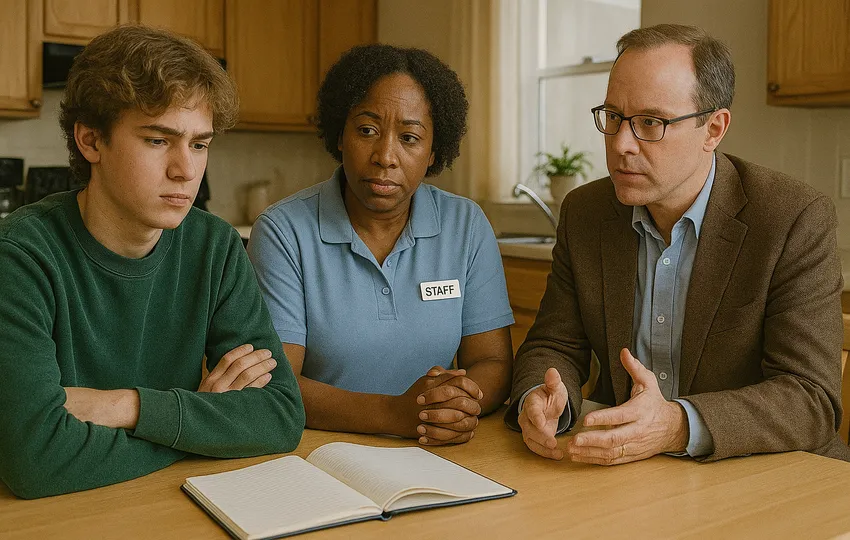
Teenager and two adults seated at table

A child may disclose exploitation directly, hint at it, deny it, retract it or reveal only a small part of what is happening. Respond calmly, centre the child, be clear about the limits of confidentiality, avoid blame, record the child’s exact words and follow the home's safeguarding procedure without delay.

If there is immediate danger - serious injury, threat to life, sexual assault, weapons, a child being held against their will, a forced journey, or a child missing and at high risk - use emergency procedures. This will often require urgent contact with the police and children's social care while keeping the manager or safeguarding lead informed.

Do not confront suspected exploiters, arrange meetings, send warning messages, promise secrecy, ask leading questions, or try to investigate outside your role. Those actions can increase risk and can undermine safeguarding or criminal investigations.

Are You Listening?

Video: 2m 55s · Creator: Leicestershire Police. YouTube Standard Licence.

This Leicestershire Police video uses a dramatised scene to show how children may hint at danger while adults miss the real risk. Young people describe holding drugs, moving crack, carrying weapons, owing money and being pressured by older people, while adults respond to the surface of the conversation rather than the danger beneath it.

The examples show that children may not see themselves as victims and may not behave like victims. Signs of control include grooming, debt, fear, new possessions, more frequent messages and calls, late returns, weapons and pressure to keep offending.

The closing message is to notice changes in behaviour and act before the situation escalates.

Was this video a good fit for this page?

When a child tells you something

  • Stay calm: show that you can hear difficult information without panicking.
  • Believe the concern: do not demand proof before protecting the child.
  • Explain confidentiality: say you may need to share information to help keep them safe.
  • Use their words: record exact phrases where possible.
  • Escalate promptly: use emergency routes when risk is immediate.

Scenario

A 14-year-old says he has been carrying drugs for older boys and that they will hurt his younger brother if he stops. He begs you not to tell anyone.

What is the safer response?


A disclosure is not the time to test the child. It is the time to listen, protect, record and escalate.

Ask Dr. Aiden


Rate this page


Course tools & details Study tools, course details, quality and recommendations
Funding & COI Media Credits
