

Prevention and protective daily practice
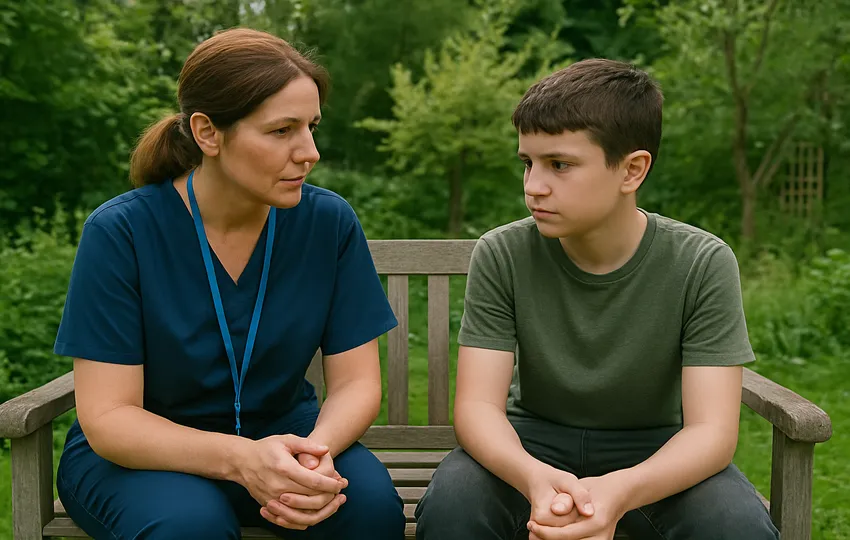
Prevention in a children's home is carried out through daily relationships and routines, clear boundaries, regular supervision, placement planning, digital safety measures, consistent missing responses and the child's experience that adults persist in trying to keep them safe even when trust is difficult.
Protective practice aims to reduce isolation and increase safe belonging. Practical steps include consistent key work, meaningful activities, support for school or training, building positive peer relationships, planning family contact, identifying trusted adults and advocates, ensuring health support and using return conversations to inform plans after missing episodes.
Prevention also involves disrupting adults' access to children through lawful, multi-agency routes. Staff should share information about visitors, vehicles, addresses, locations, online contacts and patterns, but disruption planning must be led by social care, the police and other partners rather than improvised by the home alone.
Protective practice in the home
- Build trust before crisis: children are more likely to disclose to adults who have been consistent.
- Keep plans live: update risk plans after missing episodes, new contacts or changes in behaviour.
- Support education: exclusion, reduced timetables and absence increase vulnerability.
- Use supervision: staff need space to discuss fear, frustration, bias and stuck patterns.
- Learn from recurrence: repeated missing, cars, phones or debt should trigger a review.
Protective homes do not wait for the child to prove exploitation. They use patterns to adjust support before the risk deepens.
Ask Dr. Aiden
Rate this page
Sign up now for a free account
Course tools & details

