

Spotting indicators and patterns
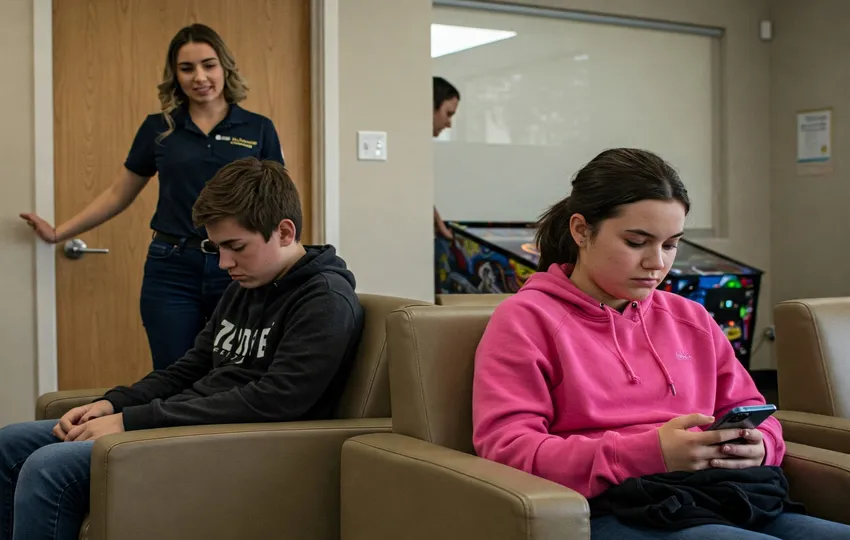
Children rarely present with a clear label of exploitation. Staff are more likely to notice fragments: a missed curfew, a new phone, a shift in mood, a worrying contact, an unexplained injury or a story that does not add up. A single sign can have another cause; several signs together should prompt action.
Indicators may be behavioural, emotional, physical, social, financial, educational, online or location-based. They can vary with age, gender, culture, disability, communication needs and previous trauma. Avoid relying on stereotypes about who is targeted.
What are some of the signs a child is experiencing criminal exploitation? | NSPCC Learning
Video: 4m 3s · Creator: NSPCC Learning. YouTube Standard Licence.
Was this video a good fit for this page?
Possible indicators
- Missing or late returns: especially overnight, repeated or linked to the same places.
- New possessions: phones, SIMs, clothing, cash, jewellery, vapes or drugs without a safe explanation.
- Physical signs: injuries, exhaustion, hunger, poor hygiene or signs of sexual harm.
- Fear and secrecy: anxiety about messages, calls, locations, names or debt.
- Education changes: exclusion, reduced timetable, sudden non-attendance or new peer groups.
- Online signs: secret accounts, gaming contacts, pressure to send images or constant monitoring.
Exploitation risk is often a pattern across time, places, people, phones and behaviour, so staff need to join the dots early.
Ask Dr. Aiden
Rate this page
Sign up now for a free account
Course tools & details

