
Confidentiality at the Front Desk and on the Telephone

Practical privacy, identity checks and safe disclosure in GP first-contact work

  • Reputation

    No token earned yet.

    Reach 50 points to earn the Peridot (Trainee Level).

  • CPD Certificates

    Certificates

    You have CPD Certificates for 0 courses.

  • Exam Cup

    No cup earned yet.

    Average at least 80% in exams to earn the Bronze Cup.

Launch offer: Certificates are currently free when you create a free account and log in. Log in for free access

Checking identity and authority before disclosure
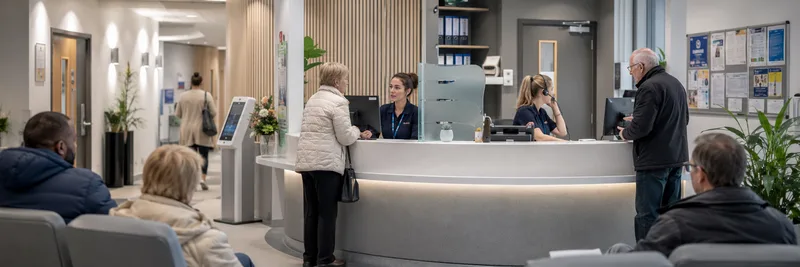
GP practice reception desk with staff and patients

Before sharing patient information, staff must confirm who they are speaking to and whether that person is authorised to receive the requested information. A caller's tone, confidence or stated family relationship is not sufficient.

Identity checks protect patients and staff and reduce the risk of accidental disclosure, particularly when phones are shared, family relationships are complicated or safeguarding concerns exist.

Identity and authority are different

Identity is confirming who the person is. Authority is confirming what they may receive or what actions they may take. A person can pass identity checks but still lack authority to receive another patient's information.

For example, a daughter may confirm her own name and relationship but that does not automatically authorise disclosure of her parent's test results.

Use the local procedure

  • For the patient: confirm identity using the agreed checks before discussing personal information.
  • For a proxy or carer: check recorded consent, proxy access or legal authority.
  • For urgent safety information: receive relevant information even if you cannot disclose information back.
  • For uncertainty: pause and ask a supervisor, clinician or information governance lead.

Being helpful does not mean bypassing identity or authority checks.

Identifying Patients Correctly

Video: 2m 50s · Creator: St. Georges Hospital Training. YouTube Standard Licence.

This St. Georges Hospital Training video treats patient identification as a patient safety issue. It links accurate identification to reduced patient harm and says checks should start at first contact with the service. All staff involved in admission or contact processes, including administrative staff, share this responsibility.

The video lists core identifiers such as full name, date of birth and medical or case number, and warns that a patient's room should not be used as an identifier. In outpatient settings it advises reception staff to ask the patient or carer to state the patient's full name, date of birth and address rather than rely on wristbands.

Where wristbands are used, details should match records; when a patient cannot state their name two staff should check records. The final message links wrong identification to possible medical errors - wrong procedure, wrong site, wrong side or wrong patient - and reminds staff to check and confirm before care.

Was this video a good fit for this page?

Scenario

A caller says they are the patient's husband and asks whether his wife attended her appointment yesterday.

What should you check before answering?


Ask Dr. Aiden


Rate this page


Course tools & details Study tools, course details, quality and recommendations
Funding & COI Media Credits
