

Why confidentiality matters at first contact
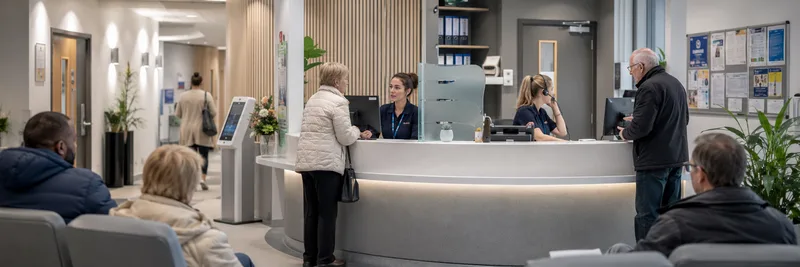
Staff at the reception desk and on the telephone frequently hear sensitive information before a clinician is involved. A patient may mention a pregnancy concern, a mental health issue, a safeguarding worry, a medication problem, a test result query or the reason for an appointment in a brief desk or phone exchange.
Patients place trust in the whole practice team. If they believe reception conversations can be overheard or that relatives can access information easily, they may withhold details that affect their care.
Confidentiality is practical
Good confidentiality depends on simple routines: speaking quietly, checking a caller's identity, keeping screens out of view, avoiding discussions in public areas and following the correct process before sharing information.
It also means knowing when not to answer. Even a seemingly vague reply such as "yes, she was here this morning" can disclose private information if the caller lacks authority.
Information can be sensitive in context
- Appointments: a date, clinic type or named clinician may reveal a condition or concern.
- Messages: SMS, voicemail or letters can be seen by others.
- Questions at the desk: a patient may feel exposed when asked for personal details in a crowded area.
- Third-party callers: knowing a patient does not automatically give authority to receive information.
Confidentiality at first contact means protecting the patient's information before, during and after the conversation.
Ask Dr. Aiden
Rate this page
Sign up now for a free account
Course tools & details

