

Overheard information and informal conversations
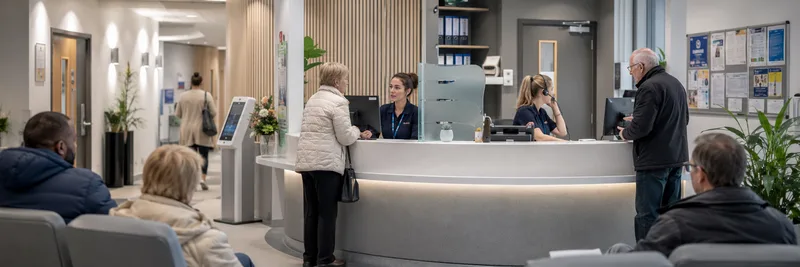
Confidentiality can be breached without a formal disclosure. A corridor conversation, a note left on a desk, a staff-room discussion or a remark to someone who "already knows the family" can expose patient information.
Practice teams often work in close communities. Staff may know patients socially or be asked about them by neighbours, friends and relatives. The same confidentiality rules apply in those situations.
Common informal risks
- Discussing patients where others can hear, including corridors, reception areas and break rooms.
- Leaving paperwork visible on desks, printers, bins or collection points.
- Looking up records casually because the patient is known personally.
- Talking outside work about who attended, what happened or what was said.
When you overhear something
If you overhear patient information accidentally, do not repeat it unless it is needed for care, safety or a governance process. If the information indicates risk - for example safeguarding concerns or imminent harm - pass it on through the correct route.
If conversations are regularly audible from the waiting room or other public areas, report it as a system issue so arrangements can be changed.
Knowing information by accident does not make it yours to share.
Ask Dr. Aiden
Rate this page
Sign up now for a free account
Course tools & details

