

Confidentiality & Data Protection
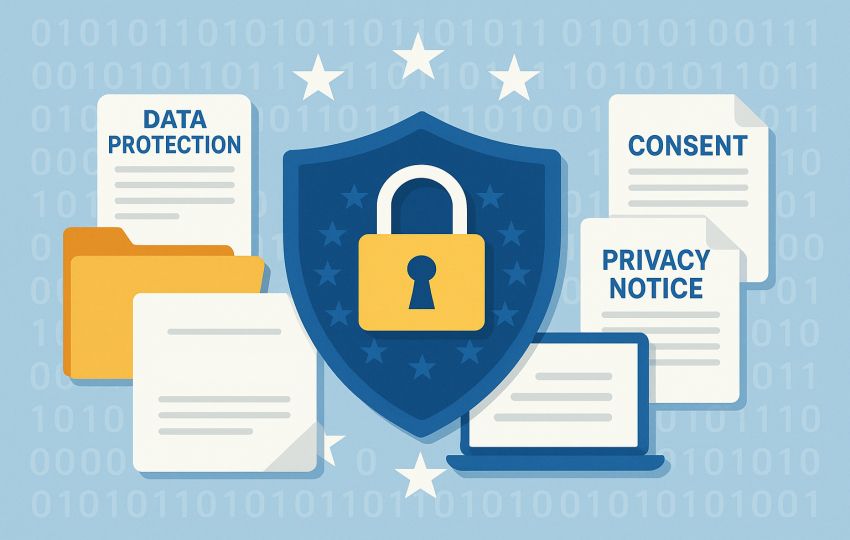
Pharmacy teams must balance patient confidentiality with legal safeguarding duties when FGM is suspected or disclosed. Staff need to know when confidentiality ends, how to handle personal data lawfully, and when to act to protect patients.
Confidentiality Boundaries in Safeguarding Contexts
Pharmacy professionals should tell patients if, and why, information cannot be kept confidential. Circumstances requiring disclosure include:
- Mandatory reporting to police following an explicit disclosure or clinical identification of FGM in someone under 18. [1]
- Referral of safeguarding concerns to local authority safeguarding teams or hospital safeguarding leads to protect patients from harm. [2]
Clear communication about confidentiality limits preserves trust and helps patients understand and cooperate with safeguarding steps.
FGM Survivor: Leyla Hussein's Story
Compliance with GDPR and Data Protection Regulations
GDPR requires secure handling of sensitive patient records and careful consideration before sharing safeguarding information. Pharmacy professionals must ensure:
- Secure, encrypted storage and transmission of patient information, particularly when sharing safeguarding information with external authorities. [3]
- Information-sharing is proportionate, justified and recorded in the clinical record, noting the reason, content and recipients of shared information. [4]
- Regular training in data protection and secure data management for safeguarding work. [5]
Accurate records of safeguarding referrals, mandatory reports and clinical communications support accountability, regulatory compliance and effective, patient-centred safeguarding within pharmacy services. [6]
Ask Dr. Aiden
Rate this page
Sign up now for a free account
Course tools & details

