

Legal & Ethical Obligations
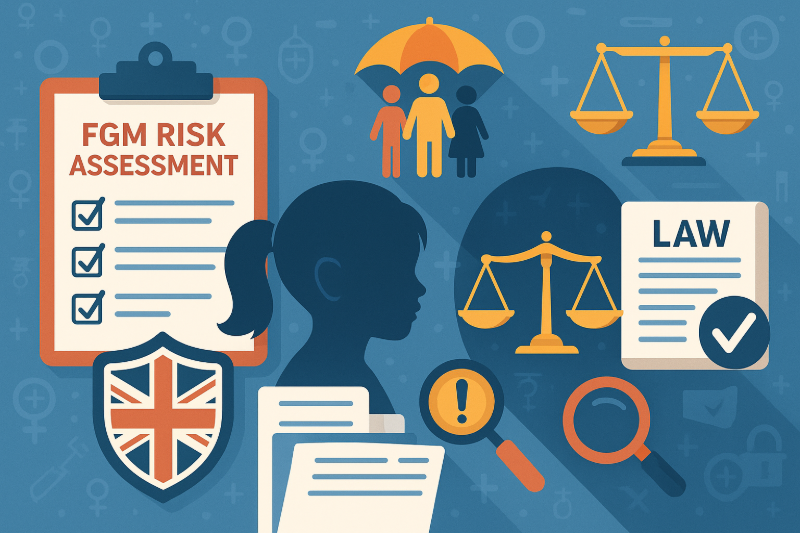
Pharmacy professionals have specific legal and ethical duties relating to female genital mutilation (FGM) under UK law and regulatory guidance. Complying with these duties protects patients and maintains professional standards.
Legal Framework and Mandatory Reporting
Under UK law, specifically the Serious Crime Act 2015, pharmacy professionals must report to the police by calling the 101 non-emergency number when they:
- visually identify signs of FGM in a girl under 18 (although such findings are rare in pharmacy settings),
- receive an explicit disclosure from a girl under 18 that she has undergone FGM.
These reporting duties override normal confidentiality and require immediate action to safeguard the child. [1]
Ethical Responsibilities
Regulatory bodies such as the General Pharmaceutical Council (GPhC) and professional organisations like the Royal Pharmaceutical Society expect pharmacy staff to protect patients, follow safeguarding procedures, and keep accurate records. [2]
Key ethical responsibilities include:
- raising safeguarding concerns promptly with the pharmacy safeguarding lead and, when required, with statutory authorities,
- keeping clear clinical records of disclosures, observations, police reference numbers and referrals,
- ensuring staff, including reception and counter teams, receive up-to-date safeguarding and FGM awareness training.
Compliance with these ethical standards ensures professional accountability, effective safeguarding practice, and patient safety.
FGM: No More!
Professional Accountability and Documentation
Meeting mandatory reporting and ethical duties requires precise documentation: record the patient's disclosure, observed indicators, actions taken, and any police reference numbers or referral details. Accurate records support transparency, continuity of care and legal protection for the professional. [3]
Ask Dr. Aiden
Rate this page
Sign up now for a free account
Course tools & details

