

PPE, skin protection and personal safety
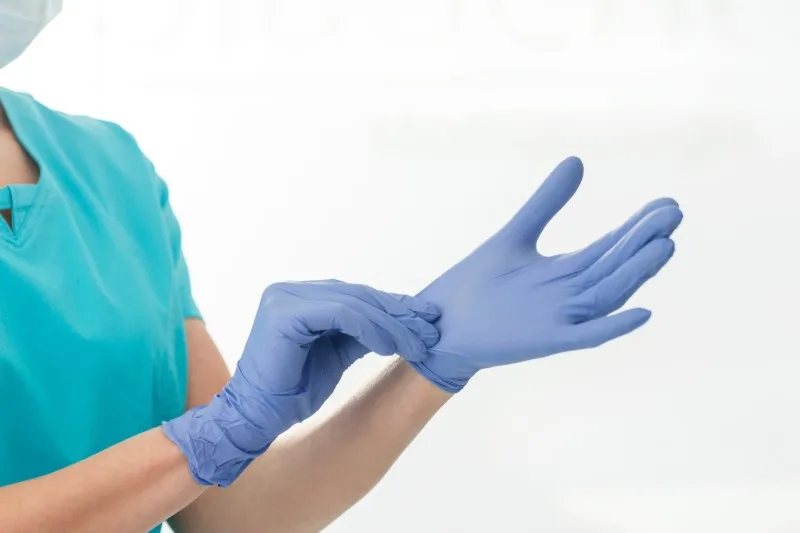
Personal protective equipment (PPE) can reduce exposure to hazardous substances, but it does not replace safer products, proper storage, adequate ventilation, safe working procedures or training. PPE protects only when it is appropriate for the hazard and used correctly.
Employers must provide, maintain and replace required PPE. If equipment is missing, damaged, unsuitable or unclear, stop the task and report the issue rather than improvising.
Task-specific PPE
- Gloves: choose glove material to match the substance and task; thin disposable gloves are not suitable for every chemical.
- Aprons: used when clothing could become contaminated.
- Eye protection: needed where there is a risk of splashes from chemicals, peroxide systems, disinfectants or workshop activities.
- Masks or respiratory protection: use only when the risk assessment or procedure specifies the correct type and fit.
- Reusable PPE: clean, store and replace according to the manufacturer's instructions and local procedures.
Skin protection
Frequent wet work, cleaning products, disinfectants, prolonged glove use and contact with contaminated materials can irritate the skin or cause dermatitis. Report dryness, cracking, soreness, itching, rash or allergic-type reactions early.
- Wash off contamination promptly.
- Dry hands thoroughly after washing.
- Use moisturising products recommended locally.
- Do not rely on barrier cream as the primary control.
- Cover cuts or abrasions with suitable waterproof dressings when required.
- Change contaminated gloves and clean hands after removal.
PPE protects only when it matches the hazard, is used for the task, and is removed before it can spread contamination.
Ask Dr. Aiden
Rate this page
Sign up now for a free account
Course tools & details

