

What COSHH covers in optical practice
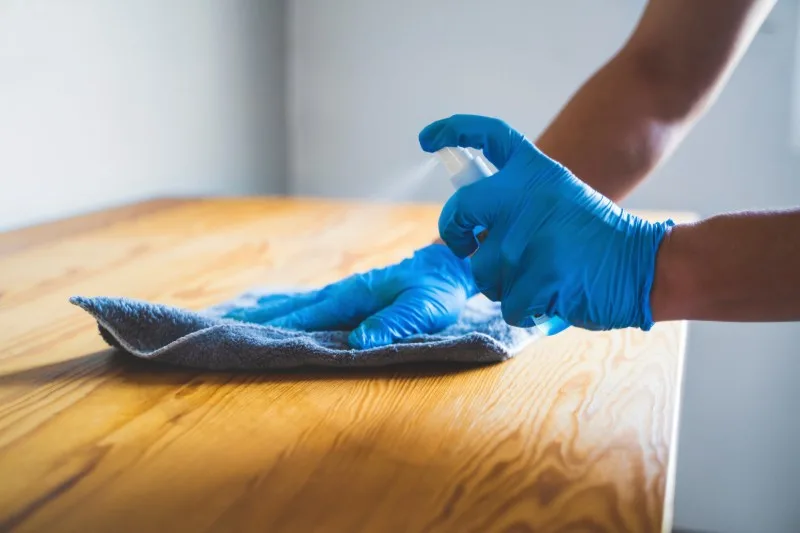
COSHH applies to substances that can harm health. In optical practice this includes common cleaning and disinfectant products, contact-lens solutions, materials from workshop processes, items used for spill response and contaminated waste.
Optical examples
- Cleaning and disinfectant products: sprays, wipes, detergents, descalers, alcohol products and surface disinfectants.
- Optical equipment cleaning products: products used on chin rests, head rests, trial frames, dispensing tools or other surfaces where local procedure allows support staff to clean.
- Contact-lens products: multipurpose solutions, hydrogen peroxide systems and cleaning products where these are stocked, demonstrated or handled.
- Aerosols and sprays: products that may create mist, vapour, breathing irritation or flammable risk if stored or used incorrectly.
- Lab and workshop substances: lens-edging dust, swarf, polishing compounds, coolants, dyes, adhesives, solvents and frame-repair products.
- Biological contamination: used tissues, body-fluid contamination, blood, vomit, contaminated waste or spillages.
Who may be exposed?
COSHH affects reception staff, optical assistants, clinical and dispensing staff, cleaners, workshop staff, managers, contractors and visitors. Exposure can occur through skin contact, splashes to the eyes, inhaling dust, mist or vapour, swallowing, needlestick or other puncture injuries, or touching contaminated surfaces.
COSHH in optical practice is about actual exposure risk, not whether a product looks dramatic or unusual.
Ask Dr. Aiden
Rate this page
Sign up now for a free account
Course tools & details

