

Reception, phone calls and digital contact
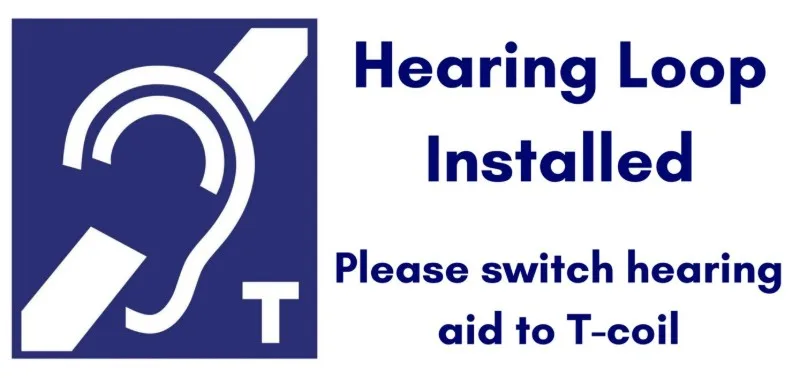
Reception is often the most difficult part of an optical visit for someone who is Deaf or hard of hearing. Background noise, crowded seating, staff focused on screens, names called aloud, unclear appointment changes and phone-only contact create real barriers.
Consider the whole patient journey. Can appointments be booked without a phone call? Can patients be contacted by text or email if they prefer? Are arrival instructions clear and visible? Can staff get attention visually rather than only calling a name? Can confidential details be discussed away from the counter?
When speaking face-to-face, make sure you are looking at the patient before you begin. Do not shout across the room or speak while looking at the computer. If a screen, mask or barrier makes communication harder, offer written or typed support and follow local infection-control and privacy procedures.
For phone calls, some patients use relay services or have a supporter on the line. Complete identity and confidentiality checks as usual. Do not disclose information to another person unless you are authorised to do so and it is appropriate.
Digital contact can improve accessibility but must remain secure. Confirm contact details, use approved systems, and avoid sending confidential information to the wrong mobile number or email address.
If the only route into the practice is a phone call, some Deaf and hard-of-hearing patients are excluded before care begins.
Ask Dr. Aiden
Rate this page
Sign up now for a free account
Course tools & details

