

Understanding deafness, hearing loss and Deaf culture
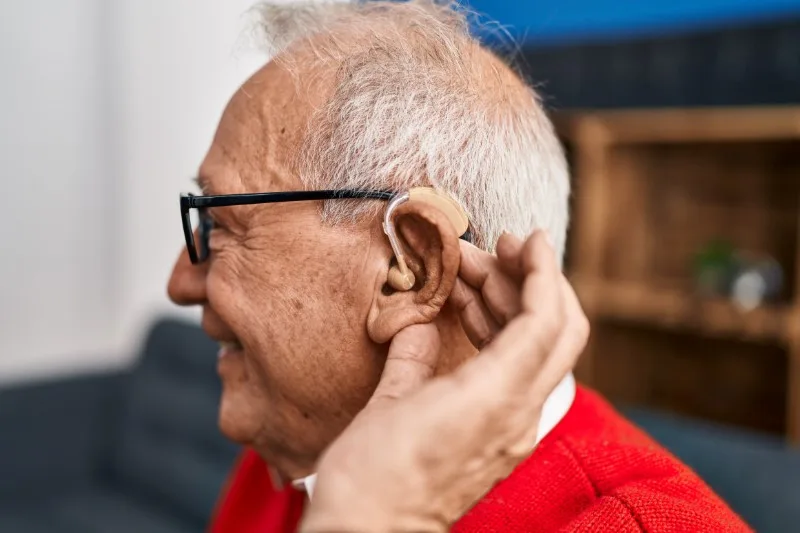
Deafness and hearing loss present in many ways. A person may be born deaf, become deaf later in life, have partial hearing loss, have different hearing in each ear, use hearing technology, or primarily communicate through sign language.
Some people use the capitalised term Deaf to describe a cultural and linguistic identity often associated with British Sign Language and the Deaf community. Others describe themselves as deaf, hard of hearing, hearing-impaired, partially hearing, deafblind or simply as someone who uses hearing aids. The safest approach is to use the language the person prefers.
Optical settings can add communication barriers. Reception areas can be noisy, staff may call names from behind patients, and masks, screens or looking at a computer can make lip-reading harder. Short, fast explanations about appointments, costs, measurements or aftercare can leave people unsure and reluctant to speak up.
Do not assume hearing aids remove all communication needs. They can amplify background noise, interfere with spectacle arms, need batteries or adjustments, or be removed during fitting. Written information is not always suitable either - language, literacy, vision, learning disability and personal preference all affect whether it helps.
Ask which communication method works for the person, then adapt before the task becomes confusing or unsafe.
[video type="youtube" id="eBoIOr0HZUY"] [summary]This short video explains that deafness covers a range of experiences. It includes people born deaf, those who become deaf later, people who are hard of hearing, deafblind people and users of hearing aids or cochlear implants.
It also shows that communication preferences vary. Deaf people may use sign language, spoken language, captions, written support, interpreters, note-taking or combinations of these.
The practical message for optical support staff is simple: do not assume. Ask how the person prefers to communicate.
[end summary] [end video]Ask Dr. Aiden
Rate this page
Sign up now for a free account
Course tools & details

