
Dementia Awareness for GP Receptionists and Care Navigators

Person-centred first contact, memory support and safe escalation

  • Reputation

    No token earned yet.

    Reach 50 points to earn the Peridot (Trainee Level).

  • CPD Certificates

    Certificates

    You have CPD Certificates for 0 courses.

  • Exam Cup

    No cup earned yet.

    Average at least 80% in exams to earn the Bronze Cup.

Launch offer: Certificates are currently free when you create a free account and log in. Log in for free access

Dementia in GP first contact
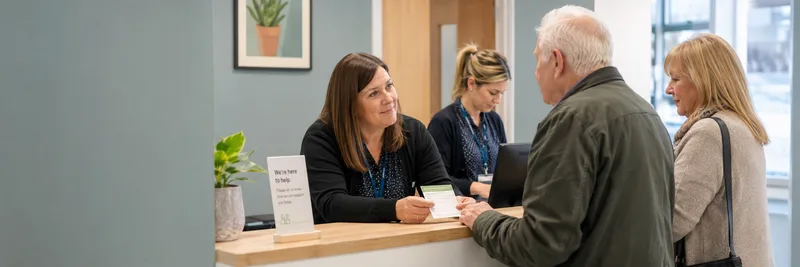
GP reception desk staff speaking with older patients

Dementia can affect memory, communication, orientation, decision-making, confidence and the ability to manage appointments. At reception this may show as repeated calls, missed appointments, confusion about times or difficulty explaining symptoms.

Think person first

Dementia affects people in different ways. Some patients cope with small prompts; others need a carer, written reminders, longer explanations or checks that contact details are correct.

What is dementia?

Video: 2m 19s · Creator: Alzheimer's Society. YouTube Standard Licence.

This Alzheimer's Society video explains that dementia is a term for a group of symptoms rather than a single disease or a normal part of ageing. Common symptoms include problems with memory, thinking, problem solving, language and perception that are severe enough to affect daily life.

The video states that dementia is caused by diseases that damage the brain, including Alzheimer's disease. It describes loss of nerve cells and progressive decline; as cells die the brain can shrink, which can be seen on scans over time.

Typical problems are difficulty with day-to-day memory, concentration, organising, language, visual perception and mood. Symptoms depend on which brain areas are affected - for example, temporal lobe damage can cause language issues and occipital lobe damage can affect vision. The video also notes there is currently no cure for dementia and that some causes are terminal.

Was this video a good fit for this page?

Reception staff can improve access by using the patient's name, speaking clearly, allowing extra time and avoiding brusque correction. A patient who repeats themselves may be anxious, confused or checking that the next step is safe.

First-contact clues

  • The patient forgets why they called or repeats the same question.
  • They miss appointments despite reminders.
  • A carer reports a sudden change from usual behaviour.
  • There are concerns about medication, confusion or getting lost.

Dementia-aware access helps the patient stay involved while recognising when extra support is needed.

When in doubt, record the facts and seek advice rather than making informal arrangements that could breach confidentiality or leave the patient without support.

People living with dementia may still make decisions and express preferences. Do not automatically hand the conversation to a carer; support the patient to take part as much as possible.

Keep the conversation calm and concrete. A confused patient can become more distressed if they feel rushed, corrected sharply or asked several questions at once.

Scenario

A patient phones for the third time asking when their appointment is, and sounds embarrassed that they forgot again.

What should staff do?


Ask Dr. Aiden


Rate this page


Course tools & details Study tools, course details, quality and recommendations
Funding & COI Media Credits
