

Learning from incidents, complaints and near misses
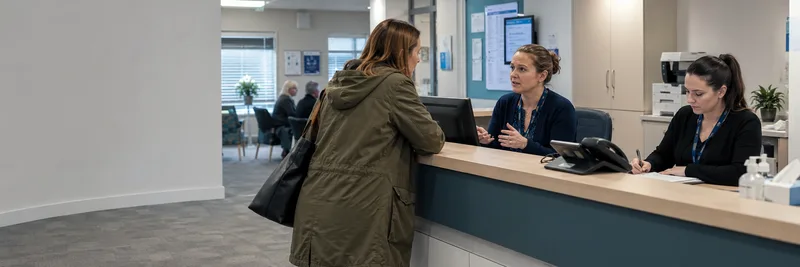
Candour and speaking up should lead to practical change. If the same problem recurs, the response must go beyond reminders to individuals.
From event to improvement
A complaint about a missed call-back, a near miss with a wrong number, or a delayed urgent task should make the practice examine how the system allowed it. Learning may mean changes to scripts, alerts, staffing, record templates, training or clear ownership of tasks.
Patients and staff need to see that concerns result in action, not disappear into a file with no visible change.
Learning questions
- What happened? Collect facts, not assumptions.
- Who was affected? Consider the impact on the patient, their family and staff.
- What made it more likely? Examine workload, workflow, system design and training.
- What will change? Assign an owner and plan how the change will be reviewed.
Close the loop with staff
If reception staff raised a concern, they should receive enough feedback to know it was reviewed and what changed. Confidential details are not required, but clear feedback reinforces reporting and helps staff follow the new process correctly.
Check whether change worked
After a process change, the practice should monitor whether the same issue recurs. Agree how the change will be tested in actual reception and call-handling work.
A closed incident without learning is a missed opportunity to make care safer.
Ask Dr. Aiden
Rate this page
Sign up now for a free account
Course tools & details

