

When something goes wrong in first-contact work
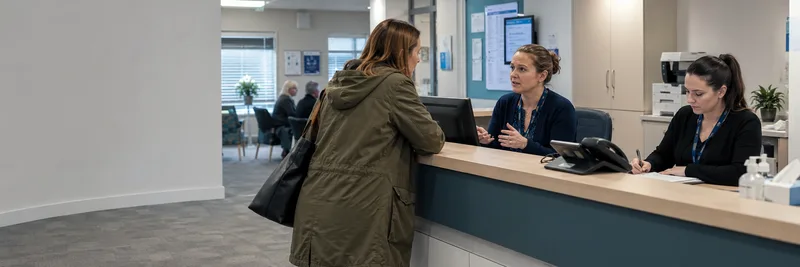
Errors can occur in reception, care navigation and administrative tasks as well as in clinical care. Consequences include delay, distress, confusion, breaches of privacy, missed treatment or unsafe follow-up.
Examples in everyday practice
A patient might be given the wrong appointment time, left waiting for a call that was never booked, sent a message intended for someone else, or advised to use an access route they cannot use. A complaint might show a patient felt dismissed after using urgent wording.
The relevant question is not the staff member's intent but what happened, whether the patient was affected, and what must happen next.
Events that need escalation
- Patient impact: missed medicine, delayed urgent review, distress or inability to access care.
- Confidentiality issues: wrong recipient, unsafe message, overheard disclosure or proxy-access error.
- Repeated system failure: similar errors, unclear ownership, task backlog or failed call-backs.
- Complaints or concerns: patient says they were harmed, ignored or misled.
Check immediate impact first
When you discover a problem, first establish whether anyone is currently unsafe or unsupported. A delayed message, wrong contact number or missed request may require urgent clinical, medicines, safeguarding or confidentiality action before investigating how it happened.
Do not wait for certainty
Staff do not need to know the full cause before reporting. Early escalation lets a senior person check the facts, reduce ongoing risk and decide whether the patient needs an apology, an explanation or urgent intervention.
A near miss is still useful learning; do not wait for harm before reporting a pattern.
Ask Dr. Aiden
Rate this page
Sign up now for a free account
Course tools & details

