

Speaking up about unsafe systems
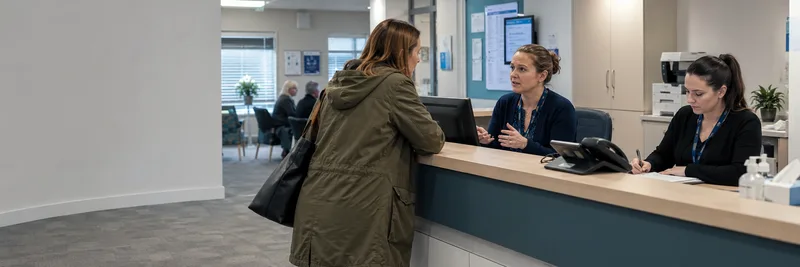
Speaking up includes reporting everyday system problems that make errors more likely: unclear task ownership, unsafe scripts, impossible workloads, poor staffing or recurring patient complaints.
What should be raised
Reception staff often see which processes fail in practice. They notice when online forms are not checked, call-back lists are vague, prescription messages are unclear, or patients are repeatedly passed between services.
Raising these concerns is professional. It lets the practice address risks before a serious incident and is not disloyal to highlight a problematic process.
Examples of systems worth raising
- Unsafe queues: urgent wording is not reliably spotted.
- Unclear ownership: tasks sit between reception, clinician and pharmacy roles.
- Work pressure: staff cannot complete records or safety checks before the next call.
- Culture concerns: staff are discouraged from reporting errors or complaints.
Use examples, not general frustration
Reports are more effective when staff describe what happened, how often it happens, and what risk it creates. A short list of recent examples helps a manager see why the process needs attention and what controls might reduce the risk.
Raise patterns collectively where appropriate
If several reception staff notice the same risk, a shared factual summary can be more persuasive than isolated comments. It demonstrates the issue is a repeated safety concern rather than one person's preference.
Freedom to Speak Up - Chesterfield Royal Hospital NHS Foundation Trust
Speaking up early is safer than waiting until a weak system harms a patient or staff member.
Ask Dr. Aiden
Rate this page
Sign up now for a free account
Course tools & details

