

Evacuation, progressive movement, and fire drills
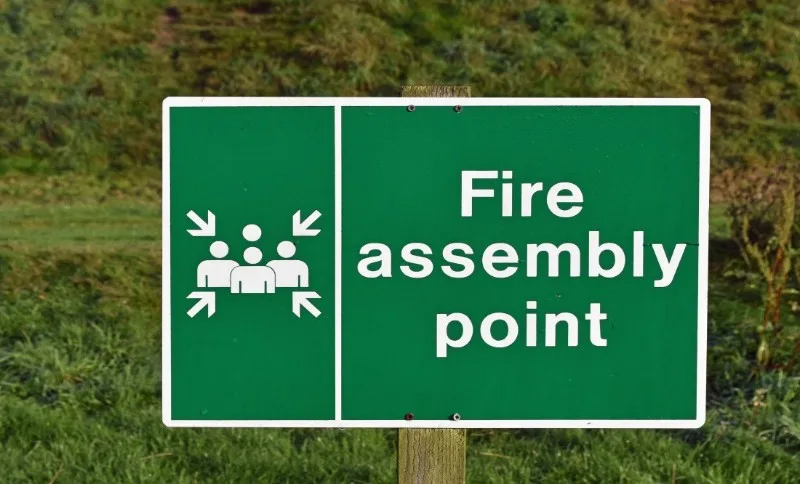
Care homes may use different evacuation methods from standard workplaces. Depending on the building layout, residents' needs, and the agreed fire strategy, staff may move people progressively from the affected area into a fire-safe compartment and then further on if required. Other homes may follow a different plan. Staff must follow the local evacuation plan.
Progressive Horizontal Evacuation (PHE)
Common evacuation principles
- Move away from immediate danger: priority is usually residents nearest the fire or smoke.
- Use the agreed route: follow the planned route unless it is blocked or unsafe.
- Use equipment correctly: only use evacuation sheets, ski pads, wheelchairs, or evacuation chairs as you have been trained to do.
- Keep residents reassured: give calm, short instructions and use familiar names.
- Account for people: staff need to know who has moved, who remains, and who may be missing.
- Do not return unless instructed: re-entry can put staff and residents at further risk.
Why drills matter
Fire drills and scenario practice test whether the plan works in practice. They can reveal uncertainty about alarm zones, resident movement, equipment use, night roles, assembly points, or communication. A drill that identifies a weakness is valuable if the service records the finding and acts on it.
Evacuation in a care home is planned, practised, and person-specific. Staff must know the local strategy, the residents, the equipment, and how to account for people.
Ask Dr. Aiden
Rate this page
Sign up now for a free account
Course tools & details

