

Recognising fire hazards and reducing risk
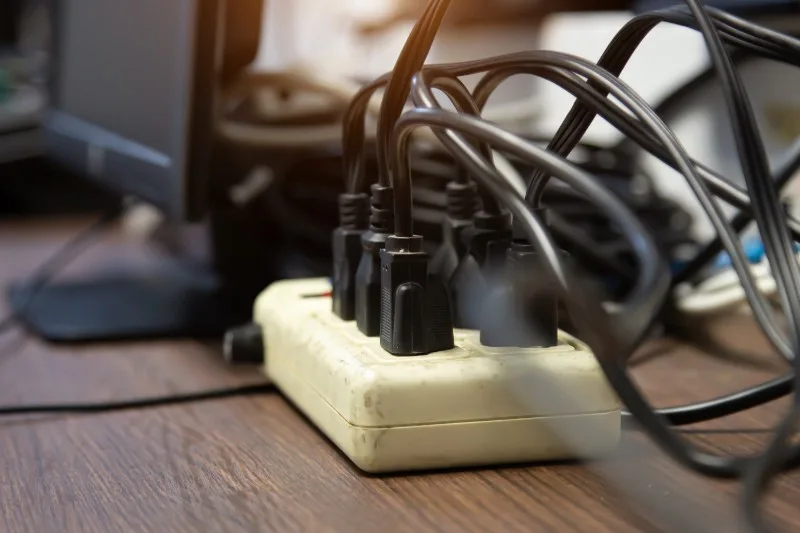
Fire prevention begins with awareness. A fire needs heat, fuel and oxygen. Staff cannot eliminate every risk, but they can reduce ignition sources, manage combustible materials and report hazards before they become dangerous.
Common care-home hazards
- Electrical equipment: damaged cables, overloaded sockets, unsafe chargers, electric blankets, heaters and faulty appliances.
- Batteries and charging: mobility scooters, phones, tablets, e-cigarettes and rechargeable equipment should be charged only in agreed safe locations and according to local policy.
- Kitchens and laundry areas: cooking, grease, tumble dryers, lint build-up, hot equipment and poor maintenance.
- Storage and housekeeping: cardboard, linen, continence products, waste, furniture and clutter in corridors or cupboards.
- Smoking materials: cigarettes, lighters, matches, unsafe disposal and unsupervised smoking where a risk assessment indicates additional support is needed.
- Hazardous or flammable substances: aerosols, cleaning products, alcohol-based products, oxygen and LPG where present.
Good everyday controls
- Keep escape routes clear: do not store boxes, wheelchairs, hoists, trolleys or laundry bags in corridors or stairways unless the local plan specifically allows it.
- Report electrical defects: damaged plugs, scorch marks, repeated tripping, overheating or buzzing equipment should be reported and isolated where necessary.
- Use agreed charging areas: do not charge mobility scooters, batteries or personal devices in escape routes, near bedding or where staff cannot respond if overheating occurs.
- Control laundry and kitchen risks: follow cleaning and maintenance procedures, especially for tumble dryers, filters and extraction systems.
- Secure external waste: position bins and combustible materials so a fire outside cannot easily spread to the building.
- Challenge unsafe normal practice: accepting "we always leave it there" allows hazards to persist.
Many care-home fire risks come from everyday shortcuts: blocked routes, poor storage, faulty electrics, unsafe smoking and neglected maintenance.
Ask Dr. Aiden
Rate this page
Sign up now for a free account
Course tools & details

