
Fire Training for Residential Care Staff

Fire prevention, alarms, evacuation support, drills, and emergency response in residential care

  • Reputation

    No token earned yet.

    Reach 50 points to earn the Peridot (Trainee Level).

  • CPD Certificates

    Certificates

    You have CPD Certificates for 0 courses.

  • Exam Cup

    No cup earned yet.

    Average at least 80% in exams to earn the Bronze Cup.

Launch offer: Certificates are currently free when you create a free account and log in. Log in for free access

Extinguishers, oxygen, emollients, and higher-risk situations
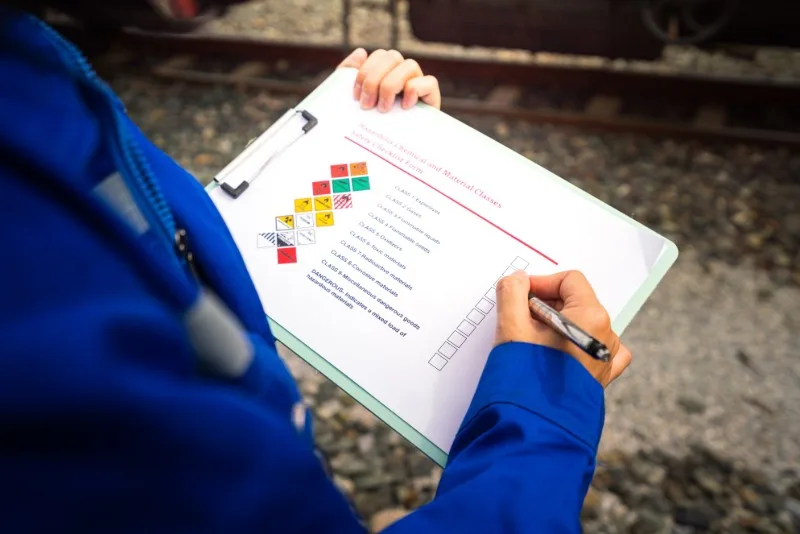
Person holding safety data sheet on clipboard

Some fire risks in care homes need particular attention because they make fires start more easily, spread faster, or increase harm to residents who cannot move away. Staff should follow local controls and escalate concerns promptly.

Fire extinguisher awareness

Fire extinguishers are for trained use on small fires only, and only when the alarm has been raised, the correct extinguisher is available, and a safe exit remains behind the person. In most care-home incidents, protecting residents and following the evacuation plan take priority over attempting to fight a fire.

  • Do not use an extinguisher unless trained and safe: incorrect use can make the situation worse.
  • Use the correct type: water, foam, CO2, powder and wet chemical extinguishers are designed for different fires.
  • Keep your exit clear: ensure you always have a route to leave.
  • Stop if smoke or fire grows: withdraw and continue the evacuation response.

How to use a Fire Extinguisher - PASS

Video: 2m 38s · Creator: Australian Fire Protection. YouTube Standard Licence.

This Australian Fire Protection video demonstrates the PASS method for using an extinguisher. It shows placing the extinguisher on a secure surface, holding it by the neck, and breaking the tamper seal.

The PASS steps are shown in order: pull the pin, aim the nozzle or hose at the fire, squeeze the handles, and sweep the agent across the fire. A live-fire demonstration applies the same sequence.

The safety advice is to keep enough distance so the extinguisher does not blow burning material back or spread it, then take two steps back after the flame appears out and reassess. If the fire is out, move to a safe area.

Was this video a good fit for this page?

Oxygen, emollients, smoking, and flammable materials

  • Oxygen: enrichment makes materials burn much faster. Smoking, naked flames, some electrical items, grease, poor storage and unsupervised use around oxygen are serious hazards.
  • Emollients: MHRA warns that fabric with dried emollient residue can ignite more easily and burn more intensely. This includes paraffin and can also occur with paraffin-free products. Washing reduces but may not eliminate the risk.
  • Smoking: residents who smoke may need individual risk assessment, supervision, designated safe areas, metal ashtrays and safe disposal arrangements.
  • Aerosols and flammable products: store as instructed and keep away from heat, ignition sources, escape routes and unsuitable cupboards.

Emollients and fire safety advice for carers

Video: 6m 13s · Creator: National Fire Chiefs Council. YouTube Standard Licence.

This National Fire Chiefs Council video explains the fire risk where emollient skin products dry onto fabrics. It states that paraffin-free emollients can also increase the flammability of clothing, bedding or bandages when residue has built up.

The video refers to fatal fires involving people who used emollients and smoked, including cases where the person was bedbound. It explains that emollients usually do not ignite while wet because they contain water, but residue left on fabric can ignite more quickly, burn hotter and allow flame growth when exposed to a heat source.

The practical advice is to keep fabrics with dried emollient away from cookers, open fires, cigarettes, lighters, matches and other naked flames. It asks prescribers, dispensers and carers who apply emollients to make teams aware of the risk, complete a person-centred fire risk assessment, consider supervised smoking or smoking cessation, and consider linked alarms, monitored telecare or fire suppression where appropriate.

Was this video a good fit for this page?

Scenario

A resident uses emollient cream several times a day, receives oxygen therapy, and still asks to smoke in the garden. Staff know she sometimes keeps a lighter in her cardigan pocket, which often has cream residue on the sleeves.

Why is this a high-risk situation?


Higher-risk fire situations often involve combinations: oxygen plus smoking, emollients plus bedding, electrical equipment plus clutter, or residents' choices combined with reduced ability to escape.

Ask Dr. Aiden


Rate this page


Course tools & details Study tools, course details, quality and recommendations
Funding & COI Media Credits
