

Fire drills, local procedures and everyday readiness
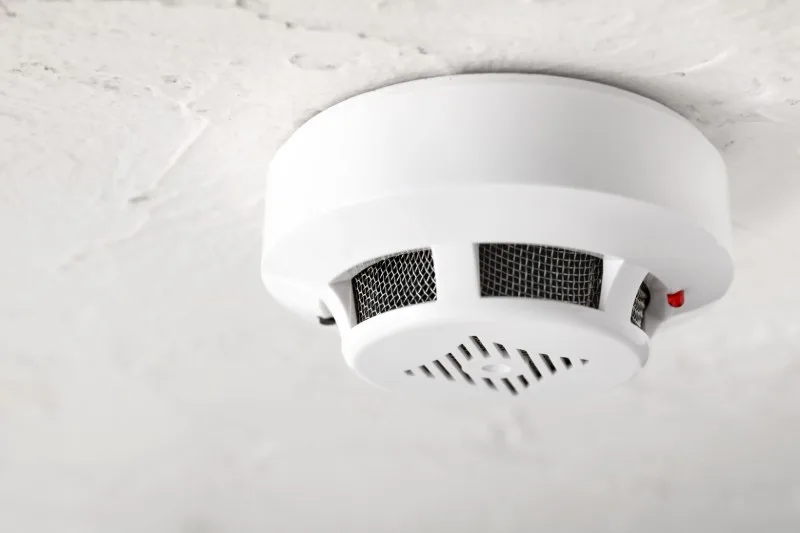
Fire drills check whether the written plan works in practice. In optical settings, drills should cover public areas, consulting and screening rooms, staff-only rooms, toilets, stock rooms, shared routes and anyone who may need assistance.
Follow the drill frequency and record-keeping required by your local procedure. As a practical benchmark, GOV.UK workplace guidance advises at least one fire drill each year and that the result is recorded.
What a useful drill checks
- Speed and calmness: staff act promptly without panic.
- Role clarity: staff know who checks areas, who guides customers, who calls 999 and who meets responders.
- Route safety: exits, corridors, fire doors and shared routes are clear and usable.
- Patient and customer support: staff can assist people unfamiliar with the premises or needing help.
- Communication: staff can account for people and report missing information accurately.
- Learning: issues are recorded, assigned actions are taken and fixes are retested.
Everyday readiness
Fire safety should be part of routine checks. Opening and closing procedures, keeping storage clear, reporting damaged equipment, checking consulting rooms, briefing new starters and maintaining current contact details all make an emergency response easier.
Locums, temporary staff and staff who move between branches need a short local induction before working unsupervised. They should be told the alarm, exits, assembly point, any local risks and who to ask if unsure.
A fire drill is useful when it improves the next response. Record what happened, fix weak points and make sure new or temporary staff know the local plan.
Ask Dr. Aiden
Rate this page
Sign up now for a free account
Course tools & details

