

Fire safety duties in optical practice
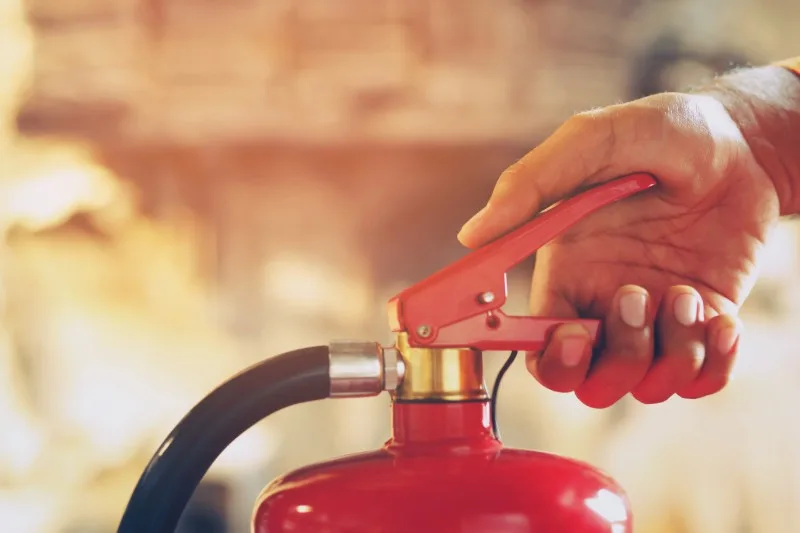
Every optical practice must have practical fire-safety arrangements that suit the premises, services and people who use the building. Staff usually do not write the fire risk assessment, but they make it work by following procedures, keeping routes clear, reporting faults and responding promptly when the alarm sounds.
In an optical setting, fire safety affects patient care. Patients should be kept safe and treated in an environment that supports evacuation and other emergency measures. Reception staff, optical assistants and support staff work within the wider practice system where their actions can influence safety and patient experience.
What staff need to know
- The local fire procedure: how to raise the alarm, who to inform, where to assemble and what roles staff are expected to perform.
- The building layout: exits, alternative routes, stairs, consulting rooms, staff areas, toilets, stock rooms and any shared corridors.
- People who may need help: patients with mobility, sight, hearing, communication, anxiety or cognitive needs may need calm, practical support.
- Known hazards: electrical equipment, stock and displays, cleaning products and aerosols, batteries, oxygen (if present) and any contractor work.
- Reporting routes: how to report blocked exits, alarm faults, damaged fire doors, unsafe electrics, poor storage or concerns about drills.
Why generic fire training is not enough
Different practices can have very different arrangements. A single-floor high-street unit, a practice inside a shopping centre, an upstairs clinic, a domiciliary office and a branch with a small workshop may all need different escape routes, checks and local roles. Staff must be taught the arrangements that apply where they work.
Fire safety in optical practice is site-specific. Staff need to know the actual alarm, exits, customer areas, consulting rooms, shared routes and local responsibilities in their own workplace.
Ask Dr. Aiden
Rate this page
Sign up now for a free account
Course tools & details

