

Recognising fire hazards in optical settings
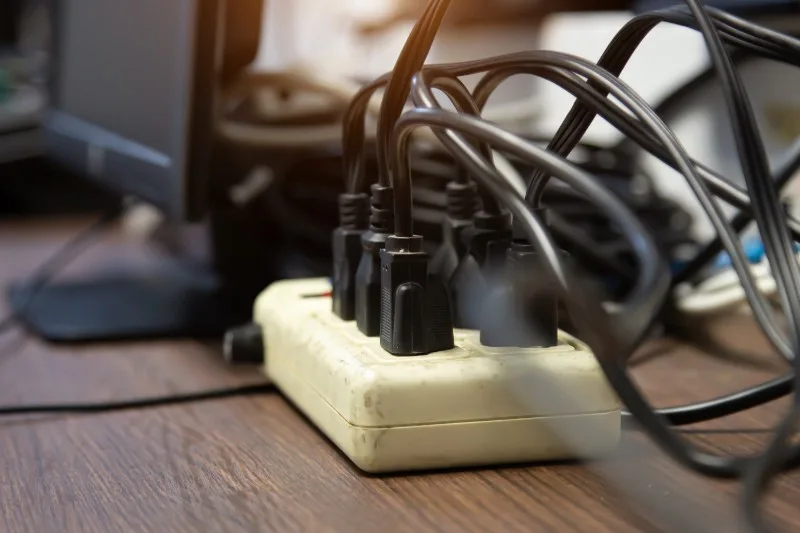
Fire prevention begins with spotting everyday hazards before they become emergencies. A fire needs heat, fuel and oxygen. Optical staff reduce risk by keeping ignition sources away from combustible materials, using equipment correctly, controlling storage and reporting unsafe conditions promptly.
Fire Extinguisher
Video: 20m 17s · Creator: Incommunities Ltd. YouTube Standard Licence.
Was this video a good fit for this page?
Common hazards in optical practice
- Electrical equipment: computers, tills, printers, chargers, slit lamps, OCT or retinal imaging equipment, visual-field equipment and other devices must be used and maintained safely.
- Overloaded sockets and extension leads: temporary workarounds can overheat or become trip and fire hazards if left in everyday use.
- Display lighting and heated equipment: display lights, lamps, frame warmers or workshop tools, if used, should be kept away from paper, packaging and other fuel.
- Stock, packaging and waste: frames, cases, paper, cardboard, cleaning cloths, marketing materials and deliveries can feed a fire or block escape routes.
- Chemicals and aerosols: cleaning products, disinfectants, sprays, alcohol-based products and lens-care stock should be stored as instructed.
- Contractor and refit work: drilling, electrical work, soldering, grinding or hot work can introduce risks that ordinary staff may not expect.
Everyday controls
- Keep escape routes clear: do not store boxes, display stands, chairs, waste or delivery cages in corridors, exits or fire-door areas.
- Report electrical defects: damaged cables, scorch marks, overheating, buzzing, repeated tripping or loose sockets need prompt action.
- Use agreed charging areas: charge devices away from soft furnishings, paper and escape routes.
- Store products safely: keep aerosols, chemicals and combustible stock away from heat and direct ignition sources.
- Challenge unsafe normal practice: "we always leave it there" is not a safe reason to block a route or hide a hazard.
Many optical-practice fire risks come from everyday shortcuts: overloaded plugs, poor storage, blocked routes, damaged equipment and combustible materials left too close to heat.
Ask Dr. Aiden
Rate this page
Sign up now for a free account
Course tools & details

