

Bed, chair, toilet, bath and vehicle transfers
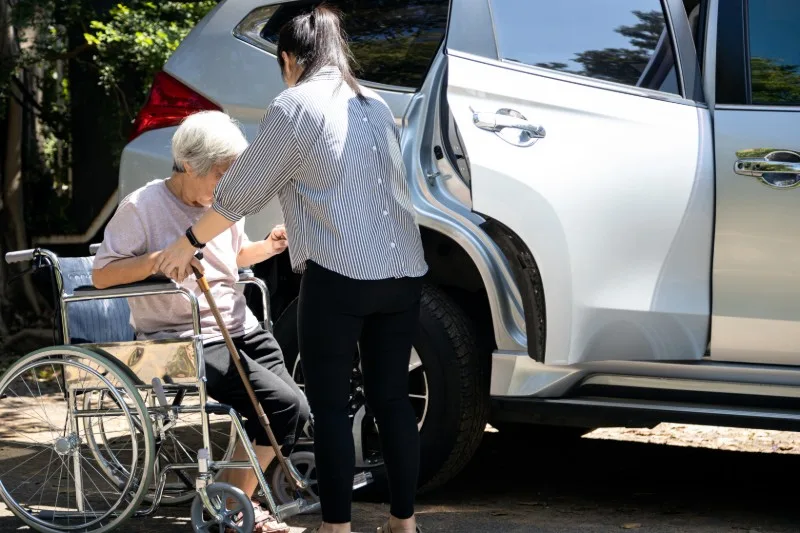
Transfers are where planning meets real conditions. Beds can be low, rooms crowded, footplates left down, clothing may restrict movement and the person may tire partway through. The safest transfer is the one prepared correctly - right height, clear route, suitable equipment and enough staff before any movement starts.
In care settings transfers include bed-to-chair, chair-to-toilet, toilet-to-shower-chair, wheelchair-to-vehicle and repositioning at the edge of a bed. Each task carries different risks. A method that works in one room may not work in another when space, flooring or equipment layout differs.
Practical transfer checks
- Prepare the space: clear obstacles, set brakes where required, adjust heights, position furniture and make sure staff can move safely.
- Use the planned aid: for example slide sheets, standing aids, shower chairs, transfer boards or hoists where specified.
- Avoid awkward reaches and holds: long static support, twisting from the waist, or trying to "catch up" if the person hesitates can quickly create strain.
- Think about personal care tasks: toileting and bathing transfers may involve wet floors, reduced clothing, poor privacy or cramped spaces, so preparation matters even more.
- Use the right room if needed: if the space is too small to follow the planned method, that is a reason to stop and rethink, not squeeze through.
- Community and vehicle transfers count too: supported living and community staff may need approved methods for getting into or out of cars safely.
Sara Stedy demonstration video | Patient Handling | Arjo Global
Sara Flex demonstration video | Patient Handling | Arjo Global
If the planned transfer method does not fit the actual room, the answer is to change the setup or escalate, not to bend the staff into unsafe positions.
Ask Dr. Aiden
Rate this page
Sign up now for a free account
Course tools & details

