

What manual handling means in care settings
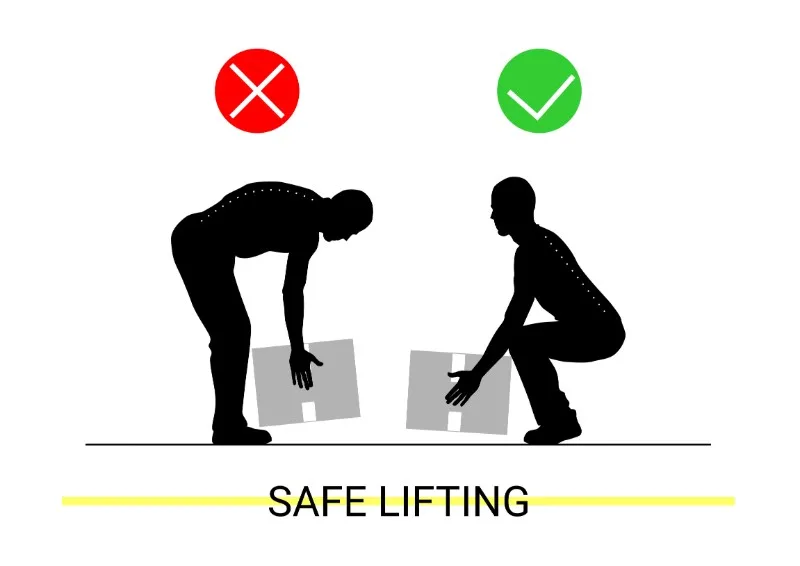
HSE defines manual handling as transporting or supporting a load by hand or bodily force. This includes lifting, lowering, pushing, pulling, carrying, moving or supporting. In adult social care the "load" can be a person, a wheelchair, a laundry bag, a box of continence products, a trolley, a mattress section, a commode or other equipment.
Moving and handling people requires additional care because a person is not an object. They may be in pain, confused, frightened, weak, unable to follow instructions, or able to help with part of the move. Safe practice therefore balances staff safety with the person's dignity, comfort, consent and independence.
Manual handling in care is broader than lifting
- People handling: repositioning in bed, helping someone sit up, standing, walking, transferring, bathing, toileting, or assisting from floor level using approved methods.
- Equipment handling: moving or pushing beds, hoists, wheelchairs, shower chairs, commodes, dining trolleys or laundry carts.
- Object handling: moving stock, waste bags, linen, food supplies, furniture or boxed deliveries.
- Static strain and awkward posture: bending over beds, reaching across chairs, working in cramped bathrooms, or holding a posture while a person hesitates or tires.
Poor moving and handling can injure both the worker and the person being moved. HSE highlights risks such as back pain and musculoskeletal disorders, handling accidents, discomfort and loss of dignity. For these reasons manual handling in care cannot be reduced to a single "good lift" rule.
Many services use quick prompts such as TILE or TILEO to remind staff to consider the task, the individual, the load, the environment and other factors. These prompts are useful reminders but do not replace a proper risk assessment, an up-to-date moving and handling plan, or the need to stop if the method in front of you is unsafe.
Manual handling in care is not just about lifting. It is about supporting people and moving loads in ways that reduce injury risk while protecting dignity and independence.
Ask Dr. Aiden
Rate this page
Sign up now for a free account
Course tools & details

