

Sharps, body fluids and immediate injury response
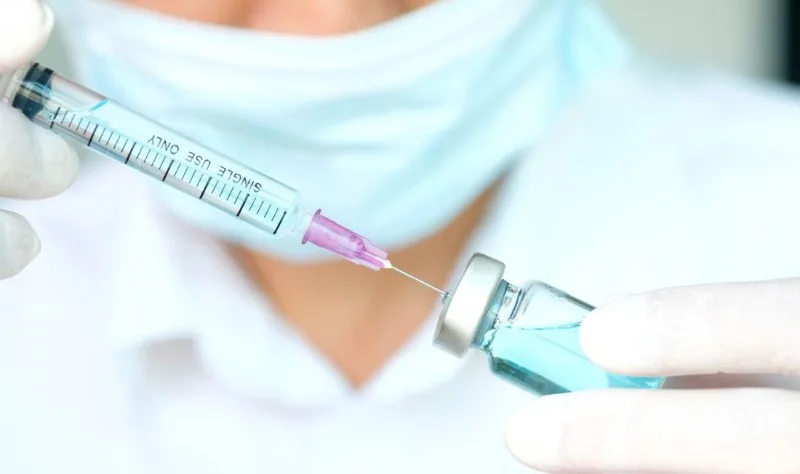
Some personal-safety risks are about injury and contamination rather than conflict. A used sharp, broken glass contaminated with blood, a body-fluid splash or an injury while clearing a room all need a prompt, practical response. The main rule is not to improvise and not to treat a potential exposure casually.
If a sharps injury or contaminated splash occurs, follow local first-aid and escalation steps. HSE guidance emphasises quick action, clear reporting and secure disposal. Children and young people must never be left with access to a used sharp or contaminated item.
Simple safe principles
- Do not handle sharps casually.
- Use the local disposal process.
- Act quickly after injury or contamination.
- Protect children from access to the hazard.
- Report and record the incident clearly.
Urgency does not cancel safe sharps practice. Fast action must follow the correct method.
Ask Dr. Aiden
Rate this page
Sign up now for a free account
Course tools & details

