

Visitors, lone moments and the environment
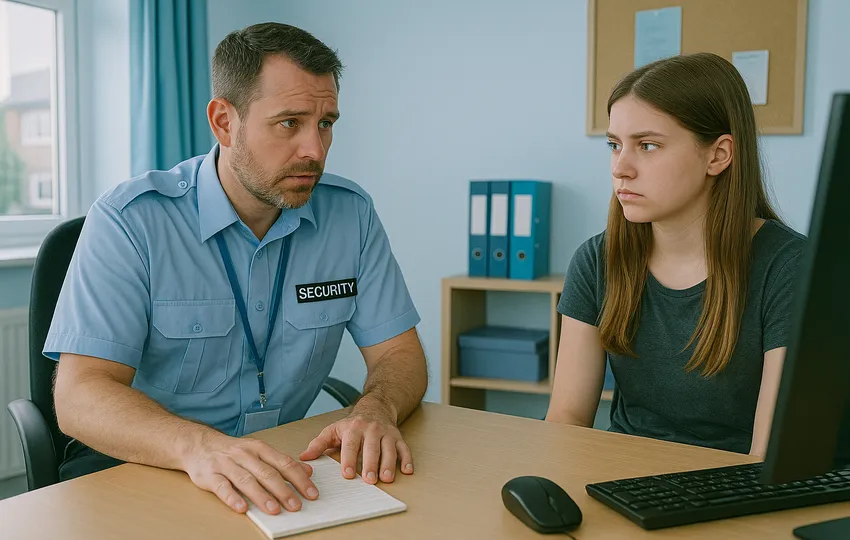
Staff in children's homes are not usually lone-working in the strict sense, but they can be briefly isolated. This can occur during a night check, when taking a private phone call, if a visitor follows them into a corridor, or when they enter a room without considering how to get out.
The physical setting affects how safe an interaction feels. Doorways, stairs, kitchens, parked cars, cluttered rooms and dead-end spaces limit movement and visibility. Safety also depends on whether the worker has their phone, knows where colleagues are, and can leave if necessary.
Simple environmental habits
- Notice where the exit is.
- Avoid being boxed into a corner or doorway.
- Think before following conflict into a tight space.
- Keep support and communication in mind on nights.
- Treat angry visitors as a safety issue, not only a customer issue.
Personal safety is shaped by space as much as by words. Where you stand can change what happens next.
Ask Dr. Aiden
Rate this page
Sign up now for a free account
Course tools & details

