

Welcome
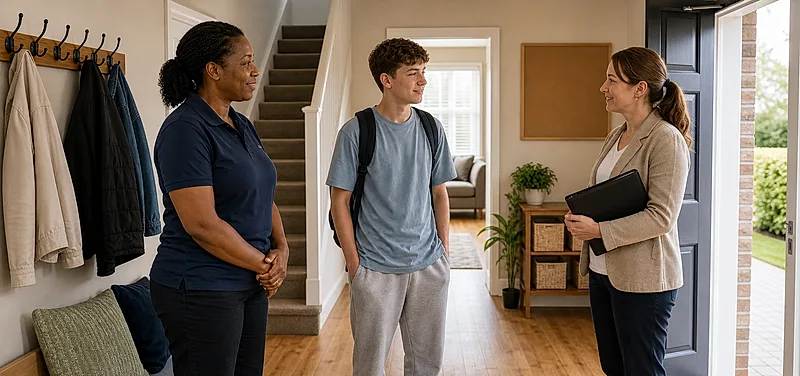
Personal safety in children's homes means noticing risk early and taking calm, practical steps to reduce harm to yourself and others. Risks include rising aggression, threats, visitors in conflict, isolated tasks or night-time work, poor room positioning, sharp objects, body-fluid exposure and the pressure staff may feel to continue when a situation is unsafe.
This course is for residential child care workers, senior residential workers, waking night staff, team leaders, deputy managers, registered managers and other staff working in children's homes and residential child care settings. It is a basic awareness course and does not replace local safer-working procedures, physical-intervention training, de-escalation training or emergency arrangements.
This course is written for children's homes staff across the UK. It uses HSE workplace and health-and-social-care safety guidance, signposts HSENI guidance for Northern Ireland, and refers to the children's homes regulations guide where the England residential context is relevant. Staff must follow local policy, staffing arrangements and emergency procedures.
Why This Course Matters
- Risk can change fast: a calm interaction can become unsafe in seconds.
- Boundaries matter: kindness does not require accepting threats or unsafe positioning.
- Lone moments happen: even in staffed homes, people can be briefly isolated.
- Sharps and contamination add risk: not all personal-safety issues involve aggression.
- Good reporting protects staff: repeat risks should not be hidden or normalised.
A Simple Safety Spine
- Notice: spot warning signs and environmental hazards early.
- Position: keep exits, personal space and backup in mind.
- Set boundaries: stay calm, clear and firm.
- Get help: do not try to manage an unsafe moment alone.
- Report and review: incidents and near misses should lead to learning and safer practice.
Rate this page
Sign up now for a free account
Course tools & details

