

What personal safety means in children's homes
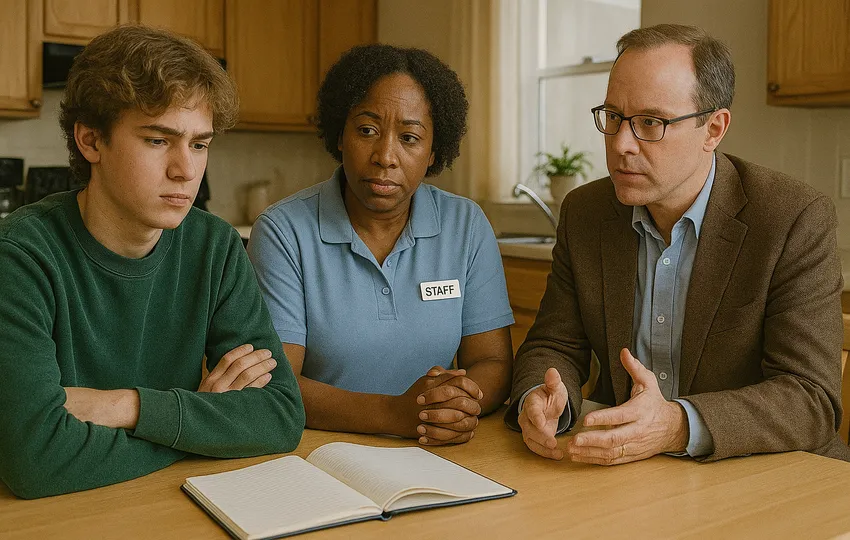
Personal safety is about recognising and reducing risks to yourself and others while working in a children's home. Risks can include verbal aggression, threats or intimidation, poorly arranged rooms or blocked exits, times when staff are isolated, visitors who arrive upset, sharps or broken items in bedrooms, exposure to body fluids and pressure to continue interacting when the situation is unsafe.
Children and young people in care may be distressed, frightened, angry or dysregulated. Those states help explain behaviour but do not remove the need to keep staff and residents safe. The practical aim is to protect people while avoiding unnecessary confrontation.
Personal safety in this setting can involve
- Verbal aggression and threats.
- Unsafe room positions or blocked exits.
- Visitors or family conflict.
- Brief lone working or isolated tasks.
- Sharps, broken items or body-fluid exposure.
Personal safety is not an extra that begins after aggression starts. It begins with noticing risk while there is still time to act early.
Ask Dr. Aiden
Rate this page
Sign up now for a free account
Course tools & details

