

GP, dentist, optician and routine appointments
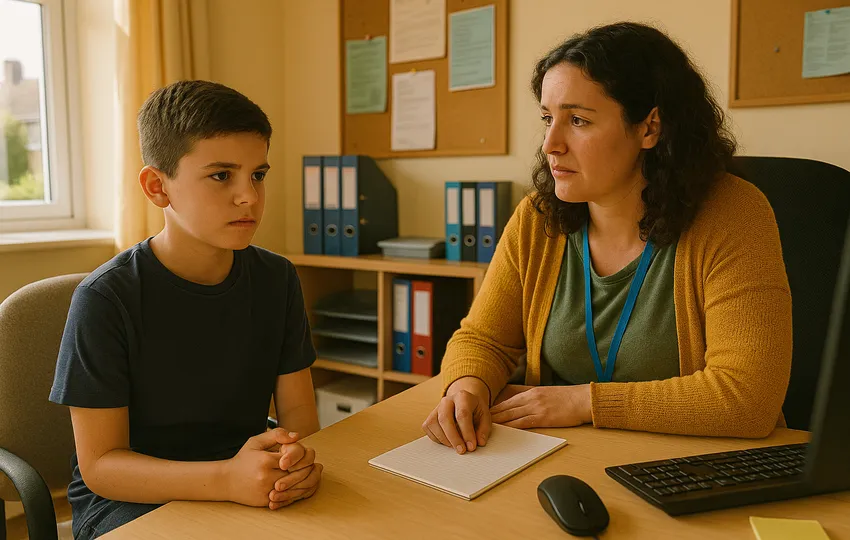
Routine appointments help identify and treat health problems early; they are part of keeping children well, not tasks to fit in when staff have spare time. For some children, appointments can feel exposing, frightening, inconvenient or pointless. Staff should prepare children by explaining what will happen, planning travel, supporting privacy and helping the child recover if the visit is upsetting.
Missed appointments can hide pain, visual problems, dental disease, untreated conditions or wider disengagement from healthcare. Staff should notice when a child repeatedly misses the same kind of appointment and explore what barrier is preventing attendance.
What helps appointments go better
- Prepare clearly: children cope better when they know what to expect.
- Reduce avoidable shame: check hygiene, transport and timing before the day.
- Support questions: help the child describe pain or concerns.
- Follow up: record the outcome and next steps immediately.
- Review patterns: repeated missed appointments usually mean the plan needs to change.
Routine appointments are more likely to happen when adults plan for the child's stress, not just for the slot time.
Ask Dr. Aiden
Rate this page
Sign up now for a free account
Course tools & details

