

What physical health support and health promotion mean
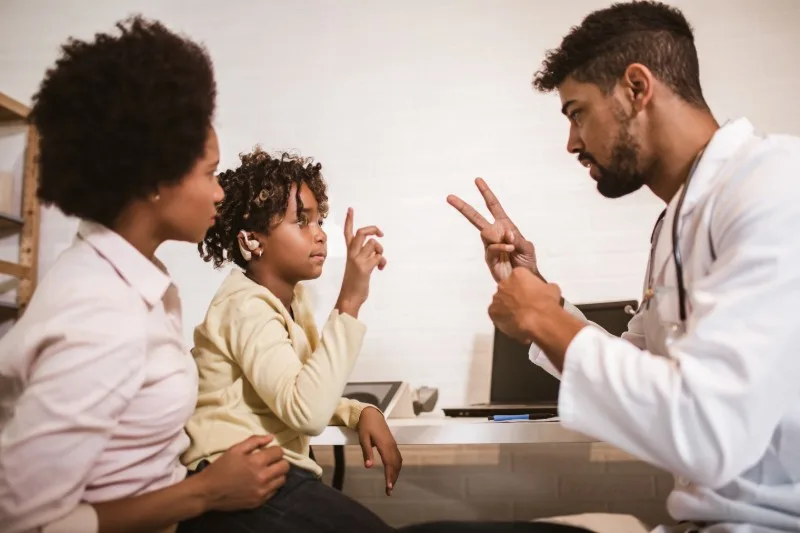
Physical health support in children's homes covers day-to-day help to keep children well, identifying changes in health, arranging and attending routine or urgent appointments, following agreed care plans, and ensuring information is passed on between shifts and services. Health promotion is about helping children build habits and skills that support long-term wellbeing rather than only responding once a problem has become serious.
For frontline staff this means practical tasks: preparing a child for the dentist, noticing when a cough is worsening, supporting healthier sleep, recognising a wound that is not healing, keeping follow-up appointments visible, and helping a child describe symptoms they feel embarrassed about. This is care work integral to the role, not an optional extra.
Taking it to the Next Level - the health of looked after children
What this includes in practice
- Routine health care: GP, dentist, optician, immunisation and specialist appointments where relevant.
- Daily wellbeing: sleep, food, hydration, hygiene, exercise and self-care.
- Baseline knowledge: knowing what is usual for the child and what is changing.
- Respectful engagement: supporting children without turning health work into control.
- Clear escalation: acting promptly when pain, deterioration or serious symptoms appear.
England guidance on looked-after children makes clear that health support should be planned and coordinated. In practice, children's homes need systems that turn plans into daily action.
Health promotion in residential care is not only about giving advice. It is about making healthy support workable in the child's real daily life.
Ask Dr. Aiden
Rate this page
Sign up now for a free account
Course tools & details

