

Safer culture, manager oversight and joined-up health working
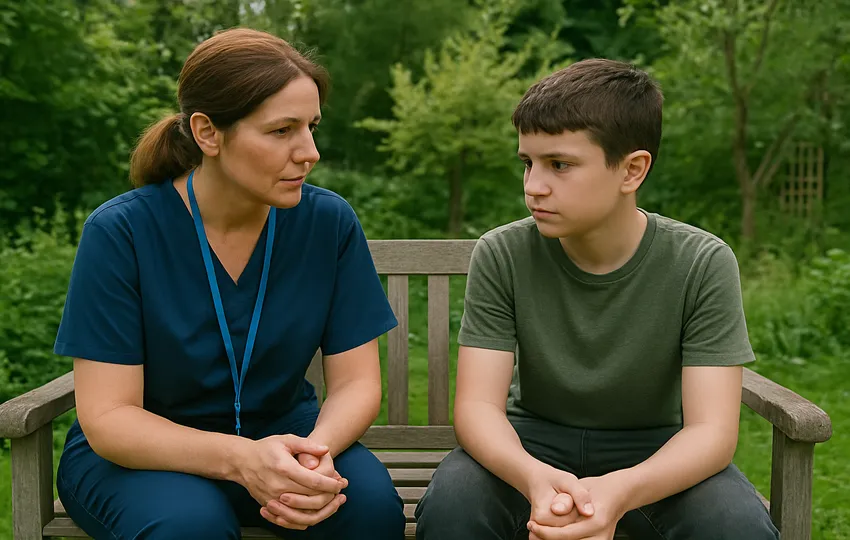
Homes shape their health culture through everyday practice. Children notice whether staff keep appointments, chase missed follow-ups, believe reports of pain, handle private concerns respectfully and learn from recurring issues. A predictable, reliable culture makes health support trustworthy.
Manager oversight matters because individual gaps - missed appointments, weak handovers, repeated low-level symptoms, unclear discharge advice and poor records - can form a pattern of risk. Coordinated work with health professionals, schools and social care often prevents small failures becoming serious harm.
What stronger health culture looks like
- Appointments are followed through: not left to memory or goodwill.
- Pain and symptoms are taken seriously: children do not have to perform distress to be believed.
- Privacy is respected: health support stays child-centred and dignified.
- Patterns are reviewed: leaders notice repeated missed opportunities and low-level drift.
- Partnerships are active: the home uses health advice and shares information clearly.
Children's health becomes safer when the whole home treats routine care and timely escalation as everyday priorities.
Ask Dr. Aiden
Rate this page
Sign up now for a free account
Course tools & details

