

Spotting deterioration, pain, infection and health neglect concerns
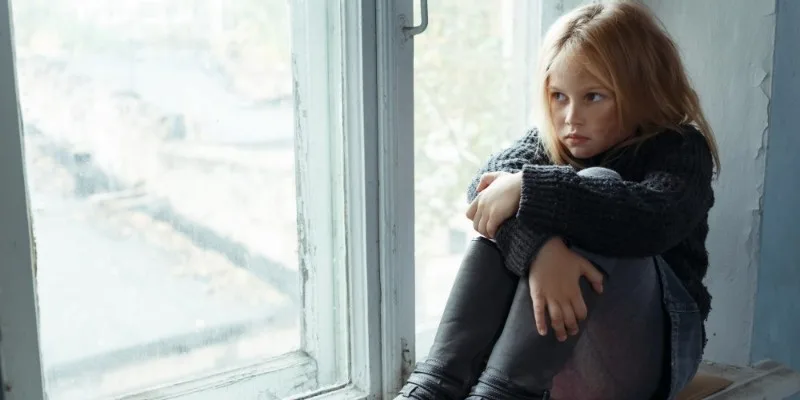
Children do not always say clearly when they are physically unwell. Some minimise pain, some become withdrawn, some become irritable, and some carry on until the problem is harder to ignore. Staff should notice when symptoms worsen, when pain relief is used more frequently, when a wound changes appearance, or when tiredness, reduced intake, fever or a change in behaviour may indicate illness or infection.
UKHSA guidance for residential settings emphasises responding early to infectious illness and outbreak risk. In practice that means noticing symptoms, addressing hygiene and shared items, following isolation advice where relevant, and arranging medical review when a child needs assessment rather than another wait-and-see period.
Changes that should raise concern
- Worsening pain: new pain or pain that becomes more severe requires assessment.
- Infection signs: fever, swelling, discharge, spreading redness or rapid decline are red flags.
- Poor healing: a wound or skin issue that is not improving as expected needs review.
- Reduced function: the child is eating less, moving less or coping worse than usual.
- Repeated untreated symptoms: recurring complaints should be followed up, not ignored.
When a symptom is getting worse, the safer move is to escalate the change, not to get used to it.
Ask Dr. Aiden
Rate this page
Sign up now for a free account
Course tools & details

