
Physical Health, Appointments and Health Promotion in Children's Homes

Supporting everyday health, timely appointments and safer routines for children in residential care

  • Reputation

    No token earned yet.

    Reach 50 points to earn the Peridot (Trainee Level).

  • CPD Certificates

    Certificates

    You have CPD Certificates for 0 courses.

  • Exam Cup

    No cup earned yet.

    Average at least 80% in exams to earn the Bronze Cup.

Launch offer: Certificates are currently free when you create a free account and log in. Log in for free access

Long-term conditions, disability and specialist care
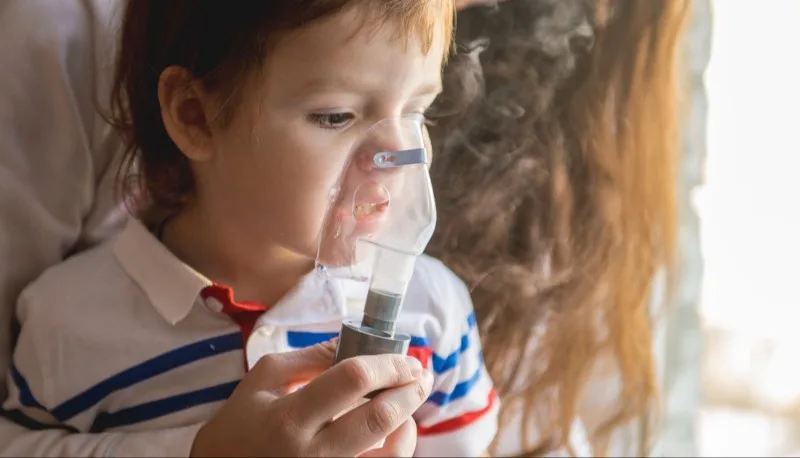
Child seated while receiving breathing support during a medical emergency

Some children in residential care have asthma, eczema, diabetes, epilepsy, chronic pain, disability-related needs or other long-term conditions. Others need equipment, inhalers, creams, dietary support or specialist routines that require reliable follow-through from the home. Good support means knowing the child’s plan, using it consistently and spotting when the child is changing from their usual pattern.

Frontline staff must not improvise beyond their training or written plans. If equipment is missing, an inhaler cannot be found, symptoms are worsening or instructions are unclear, staff should escalate and secure safety rather than guess. Everyday staff who work closely with the plan are more likely to detect problems early.

Asthma action plans - English

Video: 2m 8s · Creator: MidYorksNHS. YouTube Standard Licence.

This MidYorksNHS video explains asthma action plans and how they are used. It says plans are drawn up with an asthma team, either at a GP surgery or hospital, and set out which medicines should be taken daily to stay well and what to do if asthma worsens. Symptoms mentioned include coughing, wheeze, waking at night, breathlessness and emergency situations.

The video emphasises that the person using the plan should understand it. If the text is hard to read or follow, the asthma team can provide the information in a different format. Plans can be requested at any time, taken to appointments, kept accessible and shown to family or carers so they know what to do in an emergency.

Peak flow monitoring is also covered. Readings vary by age, sex, height and time of day, but they can help track recovery from an attack, medication changes or triggers such as pollen. If peak flow drops, follow the plan and seek help from a GP surgery or NHS 111 out of hours. Symptoms can still flare when peak flow is normal, and if a reliever inhaler does not help during an attack, emergency help may be needed.

Was this video a good fit for this page?

What safer support looks like

  • Follow the agreed plan: consistency matters for long-term conditions.
  • Check equipment and supplies: missing items create avoidable risk.
  • Notice when the child is coping less well: baseline change matters here too.
  • Support independence safely: children may be learning to manage more themselves.
  • Escalate uncertainty: do not create new routines because a shift feels busy.

Scenario

A child's asthma plan says the inhaler should be available at all times, but staff keep assuming someone else has checked where it is.

Why is that a serious practice issue?


Specialist health support becomes safer when the team treats the plan as live practice, not as paperwork that stays in the file.

Ask Dr. Aiden


Rate this page


Course tools & details Study tools, course details, quality and recommendations
Funding & COI Media Credits
