

Adult Safeguarding Law Across the UK
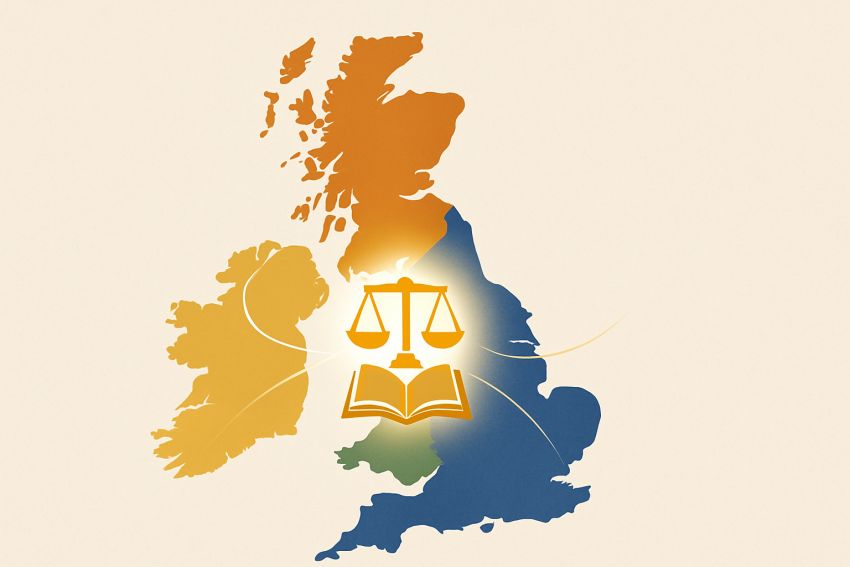
Adult safeguarding across the UK shares the same purpose: to protect adults at risk from abuse, neglect, exploitation and serious harm while respecting their rights, dignity and involvement in decisions.
The legal frameworks differ between England, Wales, Scotland and Northern Ireland. For clinical pharmacy staff this affects referral routes, statutory duties and the language used in practice.
Key legal and policy arrangements by nation:
- England: adult safeguarding is centred on the Care Act 2014, local authority duties and Section 42 enquiries.
- Wales: safeguarding is within the Social Services and Well-being (Wales) Act 2014, with clearer reporting expectations for relevant agencies.
- Scotland: adult protection is governed by the Adult Support and Protection (Scotland) Act 2007 and separate incapacity legislation.
- Northern Ireland: safeguarding operates through distinct policy and partnership arrangements rather than a single equivalent Act.
Do not assume the same legal wording or processes apply in every nation.
Practical differences to note: in England concerns are commonly framed around local authority duties and Section 42 enquiries. In Wales practitioners may have a statutory duty to report an adult at risk to the local authority or social services. In Scotland councils make adult protection inquiries under the 2007 Act and coordinate through local Adult Protection Committees. In Northern Ireland concerns are dealt with through Health and Social Care safeguarding arrangements and partnership procedures rather than a single adult safeguarding Act.
What This Means for Clinicians
At Level 3 you do not need to be a legal specialist in every system, but you must work within the correct local process. Using the wrong terminology or referral route can delay action, confuse colleagues or create uncertainty about responsibilities.
Know your organisation's safeguarding route and which UK nation you are working in. Seek advice promptly from your designated safeguarding lead or local safeguarding contact when procedures are unclear. Apply clinical judgement through the appropriate local system.
Good safeguarding practice across the UK depends not only on spotting risk, but on using the right legal and procedural route for the nation and organisation you are working in.
Ask Dr. Aiden
Rate this page
Sign up now for a free account
Course tools & details

