

Female Genital Mutilation, Forced Marriage and Honour-Based Abuse
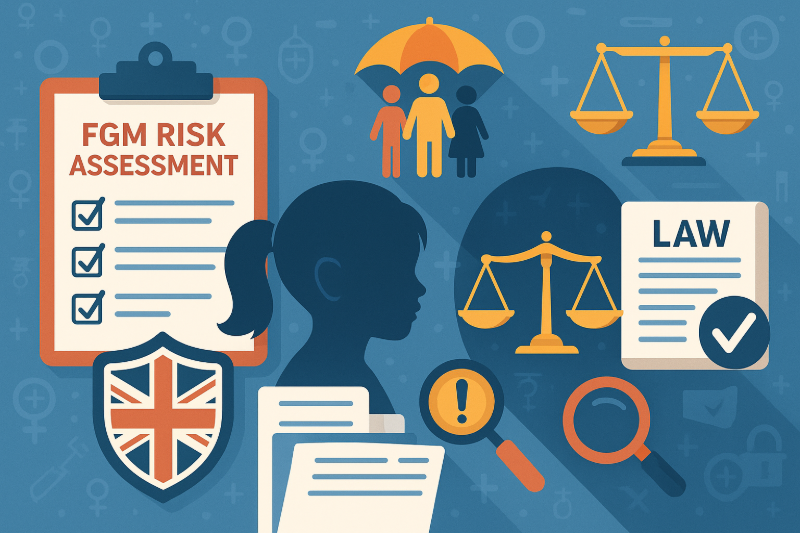
Female genital mutilation (FGM), forced marriage and honour-based abuse are safeguarding concerns that can affect adults as well as children and young people.
They may present through:
- fear
- control
- secrecy
- family pressure
- surveillance
- planned travel
In clinical pharmacy practice these issues may surface during prescribing, contraception or sexual health consultations, travel-health assessments, routine medication reviews, or when a patient seems afraid to speak openly.
Forced marriage differs from arranged marriage because it lacks free consent. Honour-based abuse can include threats, punishment, violence or coercion tied to family or community expectations. FGM remains a safeguarding issue in adults even if the procedure happened in the past; concerns may also arise from fear for younger relatives, pressure ahead of marriage, or planned travel. At Level 3 you must recognise warning signs and act promptly when risk is apparent.
Important Legal Distinctions
There is a legal distinction between children and adults. In England and Wales, certain regulated professionals must report known cases of FGM in under-18s to the police. No equivalent automatic reporting duty exists for adults. This does not make adult cases less serious. It means you should use safeguarding judgement, record clearly, and escalate through the correct local routes rather than assuming one legal response fits every case.
If an adult appears frightened, controlled, or at risk of forced marriage, honour-based abuse, or FGM-related harm, treat this as a safeguarding concern even if the family presents it as normal or cultural.
Ask Dr. Aiden
Rate this page
Sign up now for a free account
Course tools & details

