

Female Genital Mutilation, Forced Marriage and Honour-Based Abuse
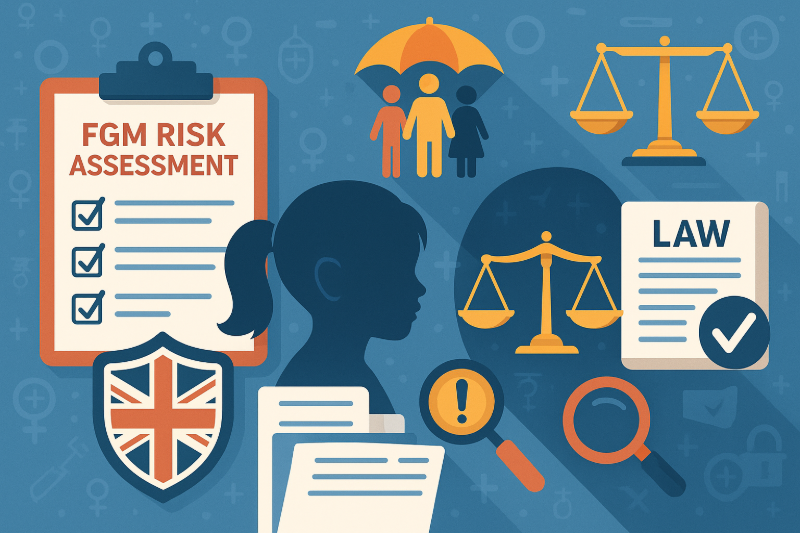
Female genital mutilation (FGM), forced marriage and honour-based abuse are serious safeguarding issues that can affect adults as well as children.
These risks may become apparent during routine contact at the counter, reception, on the phone or through repeated interactions with the same family. They commonly involve secrecy, coercion, control or fear and can indicate significant risk of harm.
Forced marriage differs from an arranged marriage because of the absence of free consent. A person may be coerced by threats, emotional pressure, violence, surveillance or family insistence until they feel they have no real choice. Honour-based abuse can mean punishment or control justified by family or community "honour". FGM is a form of abuse and a safeguarding matter. Adults may disclose events from many years earlier, or express concern for daughters, younger relatives or upcoming travel.
What You Need to Know
In England and Wales, some regulated professionals have a statutory duty to report known cases of FGM in girls under 18 to the police. This includes regulated health professionals such as pharmacists and some registered clinicians. That duty does not automatically apply to adult women, and non-clinical pharmacy support staff are not expected to decide whether the statutory duty applies. Your role is to recognise signs of concern, record what you observe or are told, and escalate immediately through your safeguarding route.
- someone being closely watched, not allowed to speak privately, or showing distress around family members
- fear linked to travel, marriage plans, family pressure, or "honour"
- requests for pain relief, dressings, or advice linked to unexplained genital pain or past travel
- an adult expressing fear for a child or younger relative who may be at risk
There is a mandatory reporting duty for known FGM in under-18s for certain regulated professionals in England and Wales, but there is no equivalent automatic reporting duty for adult women.
Your Response Matters
Adult cases require a careful, lawful safeguarding response. Do not contact family members to check the story and do not assume that someone accompanying the person is safe to involve. If an adult shares a concern, stay calm and do not promise complete secrecy. Record the details clearly and escalate promptly - this can protect the person you are dealing with and may also safeguard children or younger relatives at potential risk.
Ask Dr. Aiden
Rate this page
Sign up now for a free account
Course tools & details

