

Child Neglect
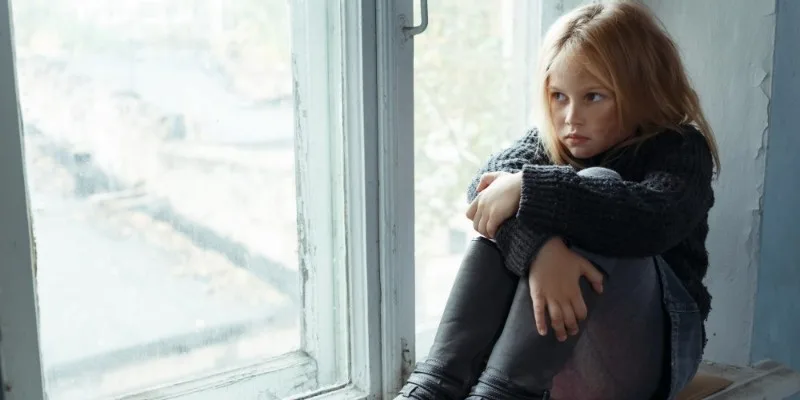
Neglect is often less visible than other forms of abuse, but it can be just as harmful. It happens when a child's basic needs are not being met consistently enough to keep them safe, healthy, and well. Those needs may be physical, emotional, medical, educational, or supervisory. In pharmacy practice, neglect often appears not as one alarming moment, but as a pattern that slowly becomes harder to ignore. [1]
You may notice a child who regularly seems unwashed, underdressed for the weather, hungry, exhausted, or unwell without appropriate follow-up. You might see repeated requests for help linked to the same unresolved problem, or a pattern of medicines being collected in ways that suggest the child's health needs are not being properly managed. Sometimes the child is present; sometimes the concern arises through what carers say, fail to do, or repeatedly postpone. [2]
Why Neglect Can Be Missed
Neglect can become normalised, especially when concerns build slowly over time. A family may seem chaotic rather than overtly abusive. A parent may appear overwhelmed, apologetic, or friendly, which can make it harder to recognise that a child is not getting what they need. That is one reason repeated contact matters so much in pharmacy settings. You may be one of the few people who notices the same worrying pattern more than once. [3] [4]
- ongoing poor hygiene, tiredness, or inappropriate clothing
- repeated unmet health needs or delayed care
- lack of supervision or unsafe routines
- a pattern of concern that never quite resolves
Neglect is often cumulative, so repeated small concerns can be highly significant.
Your Role in Practice
You do not need to decide whether a family is "trying their best" before acting on a concern. If a child's needs appear persistently unmet, record what you have observed and follow the safeguarding process. Even brief interactions at the counter, reception desk, on the phone, or through repeat collections may help reveal a bigger picture. Early recognition matters because neglect can quietly undermine a child's health, development, and sense of safety over a long period of time. [5][6]
References (numbered in text)
- National Institute for Health and Care Excellence (NICE). Child maltreatment: when to suspect maltreatment in under 18s. Clinical guidance. 2017. Find (opens in a new tab)
- The Pharmaceutical Journal. How to recognise and respond to potential child abuse and neglect. (Pharmaceutical Journal guidance for pharmacy professionals). 2017. Find (opens in a new tab)
- NSPCC Learning. Case reviews and practice learning: recognising how neglect can become normalised and the importance of repeated contacts. (Practice guidance/learning resources). Find (opens in a new tab)
- Department for Education. Working Together to Safeguard Children: statutory guidance. 2023. Find (opens in a new tab)
- HM Government. Information sharing: advice for practitioners providing safeguarding services to children, young people, parents and carers. 2018. Find (opens in a new tab)
- Cambridgeshire and Peterborough (NHS) / local pharmacy safeguarding guide. Pharmacy Safeguarding Guide. August 2023. Find (opens in a new tab)
References are included to demonstrate that all the content in this course is rigorously evidence-based, and has been prepared using trusted and authoritative sources.
They also serve as starting points for further reading and deeper exploration at your own pace.
Ask Dr. Aiden
Rate this page
Sign up now for a free account
Course tools & details

