

Exploitation, domestic abuse and hidden harm
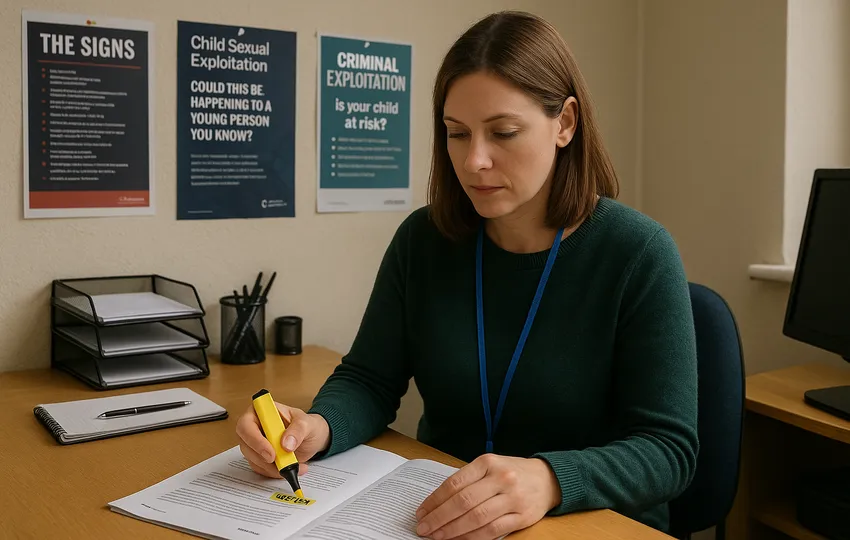
Some safeguarding concerns are hidden because the person is controlled, frightened, ashamed, dependent on the person harming them, or unsure anyone will help. Optical support staff do not need expert knowledge of every abuse type, but they should recognise signs that require escalation.
Concerns that may need safeguarding action
- Domestic abuse and coercive control: threats, violence, humiliation, isolation, financial control, or close monitoring of contacts.
- Child exploitation: grooming, secretive gifts, contact with older associates, online risk, repeated missing episodes, criminal or sexual exploitation.
- Adult exploitation: forced labour, cuckooing, trafficking, debt control, sexual exploitation, or someone being moved or strictly controlled by others.
- Modern slavery and human trafficking: fear, lack of identity documents, restricted movement, poor living conditions, untreated health needs, or another person speaking for them.
- Forced marriage and honour-based abuse: fear of family consequences, sudden travel plans, threats, surveillance, or overt control.
- Female genital mutilation: risk to a girl, disclosure, travel concerns, or information suggesting FGM may have occurred.
- Radicalisation and Prevent concerns: vulnerability to extremist influence, grooming, isolation, or noticeable changes in behaviour.
Keep the response safe
Do not confront a suspected controller, partner, parent, trafficker or exploiter. Do not give leaflets, messages or advice in a way that could be discovered and increase risk. If it is safe and appropriate, create a brief private opportunity to listen. If it is not safe, record and escalate through the safeguarding route.
Hidden harm often involves control. A safe safeguarding response avoids confrontation and passes the concern quickly to the right route.
Ask Dr. Aiden
Rate this page
Sign up now for a free account
Course tools & details

