

Recognising concerns about children and young people
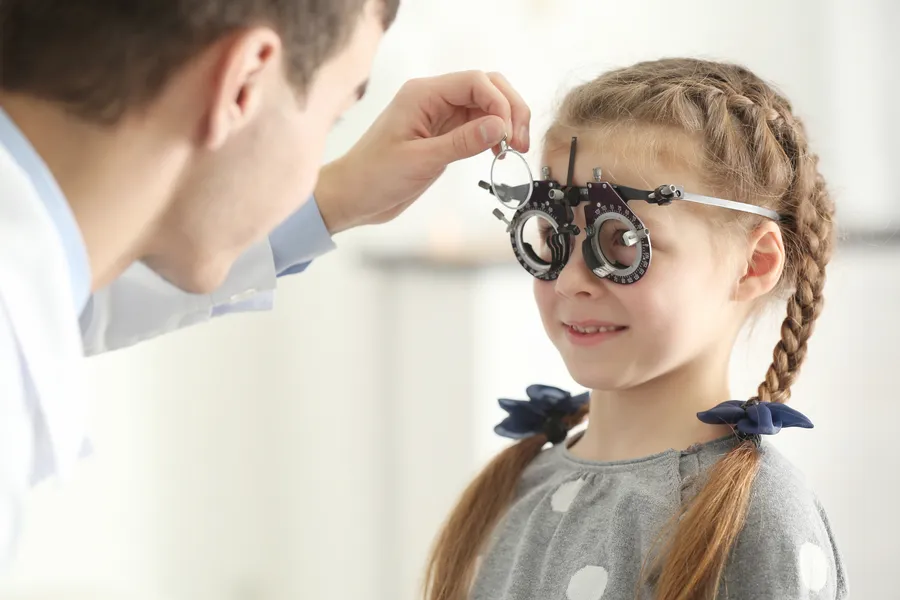
Safeguarding children means protecting them from abuse, neglect and exploitation, preventing harm to their health or development, and supporting safer living circumstances. Even brief contact in an optical setting can reveal concerns worth noting and passing on.
Child protection: an introduction - The signs and indicators of abuse | NSPCC Learning
What you might notice
- Physical signs: injuries, marks or pain; repeated damage to glasses; explanations that do not match the injury.
- Emotional signs: fearfulness, withdrawal, watchfulness, distress, excessive compliance, or unusual anxiety around an adult.
- Neglect indicators: poor hygiene, unsuitable clothing, untreated health needs, repeated non-attendance for appointments, or a child who appears uncared for.
- Sexual abuse or exploitation concerns: sexualised language or behaviour, distress about body boundaries, worrying relationships, unexplained gifts, secrecy, or signs of online risk.
- Adult behaviour: harshness, intimidation, inconsistent explanations, refusal of privacy, speaking over the child or preventing the child from being heard.
Keep the child's voice in mind
A child may not disclose directly. They might say little, avoid eye contact, seem eager to please, or make a brief comment that raises concern. Do not press for details. Listen, note the child’s words precisely, and report the concern.
Repeated non-attendance can be significant. One missed appointment is not proof of neglect, but repeated failures to bring a child for care, recurrent broken glasses without follow-up, or consistently ignored needs may indicate a wider problem.
Child safeguarding concerns often begin as uncertainty. You do not need certainty before you record and report a reasonable concern.
Ask Dr. Aiden
Rate this page
Sign up now for a free account
Course tools & details

